Experience Nagoya Like a Local: Markets, Historic Streets, and Community Festivals
When people plan a trip to Japan, they often focus on famous destinations such as Tokyo, Kyoto, or Osaka. Nagoya, however, offers something different. Rather than chasing major tourist attractions, visitors can experience a side of Japan that is closely connected to everyday life.
Over the years, I have explored Nagoya’s markets, historic neighborhoods, and local festivals. What I found was not simply a collection of sightseeing spots, but a city where communities continue to gather around temples, shopping streets, parks, and seasonal events.
If you would like to experience Nagoya beyond the typical tourist trail, these are some of the places I recommend.
Connect with Local People Through Community Markets
One of the easiest ways to understand Nagoya is to visit the places where local residents naturally gather.
Nayabashi Yoichi Night Market
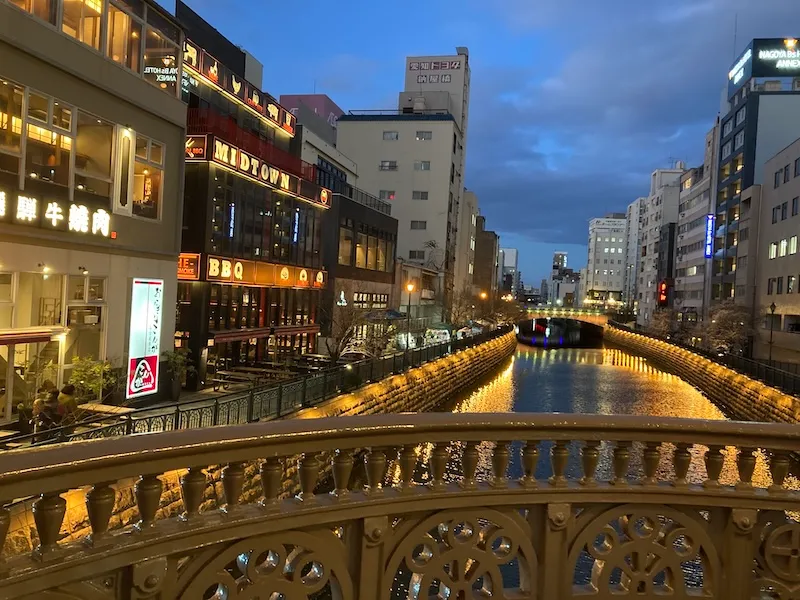
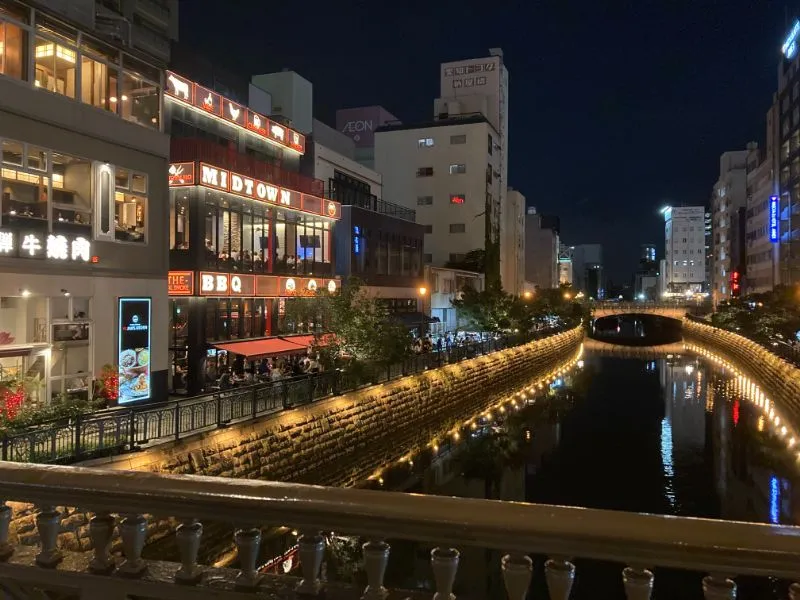
Held along the Horikawa River near Nagoya Station, Nayabashi Yoichi takes place on the fourth Friday of every month. The atmosphere feels surprisingly different from most Japanese events, with food stalls, drinks, live performances, and crowds filling the riverside walkway. During my visit, it felt more like a Southeast Asian night market than a typical Japanese festival.
Hisaya Market
Located in the heart of Sakae, Hisaya Market is a small but welcoming event held in Hisaya Odori Park. Local vendors sell handmade products, seasonal items, and food. It is a pleasant place to spend an afternoon while observing everyday life in central Nagoya.
Osu Antique Market
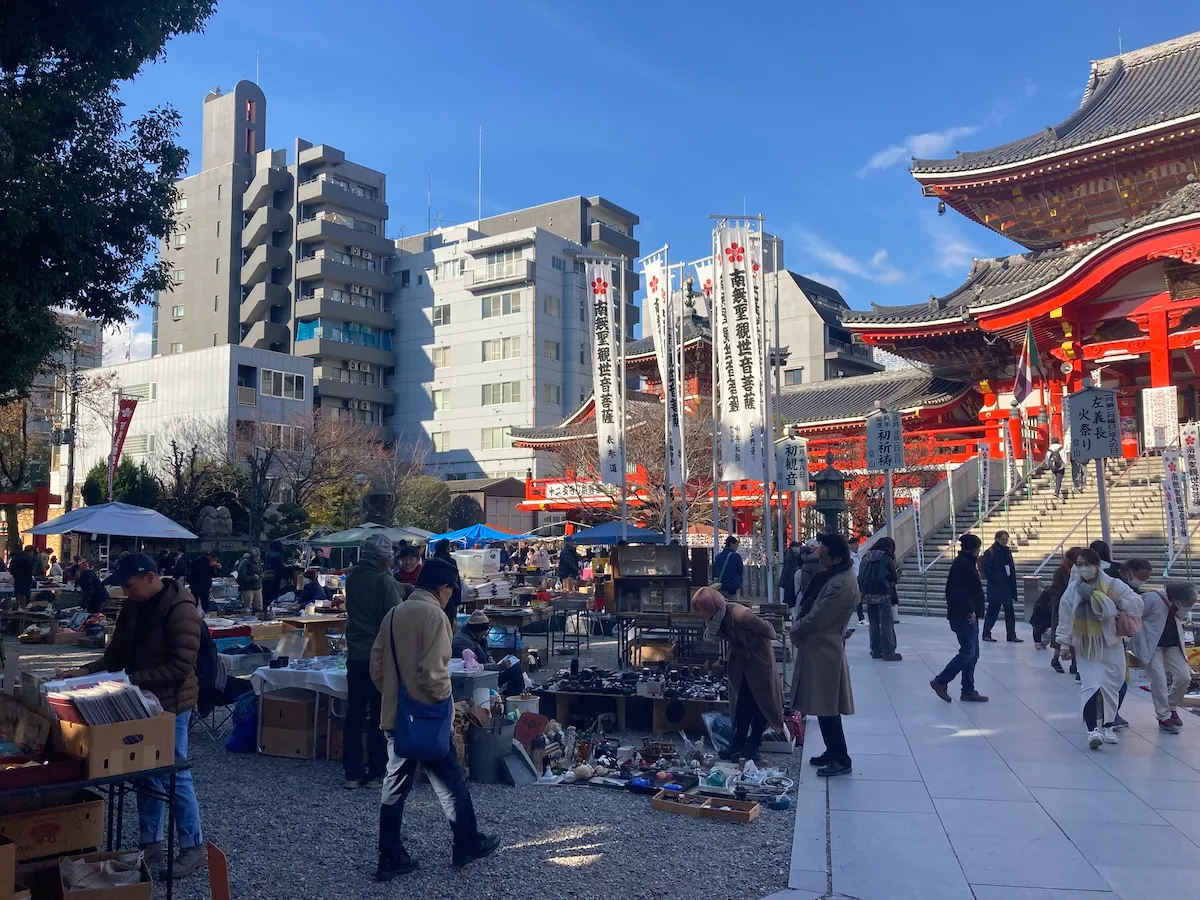
Held on the grounds of Osu Kannon Temple on the 18th and 28th of each month, this market attracts collectors, antique dealers, and curious visitors. During my visit, I found pottery, wooden carvings, ironware, Buddhist artifacts, and antiques from Japan, Korea, and China. Some treasures cost only a few hundred yen, while others seemed to require an expert eye.
Higashi Betsuin Morning Market
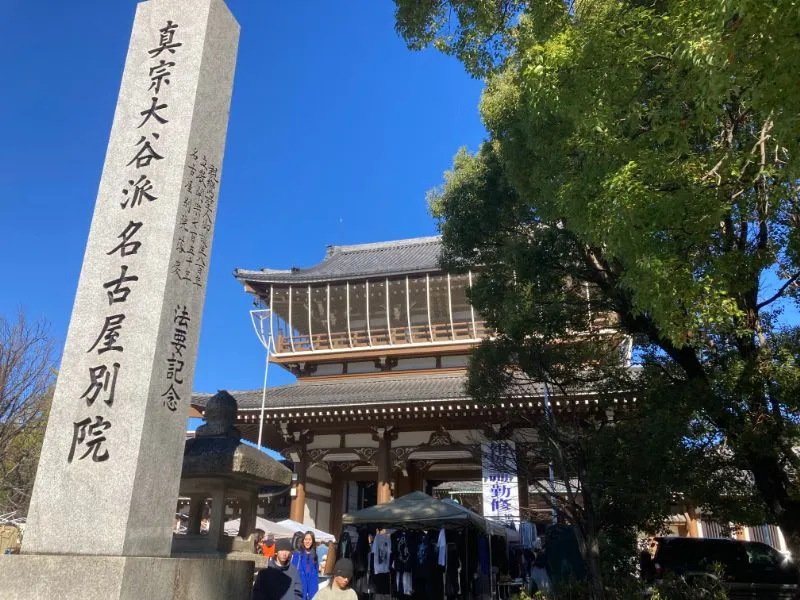
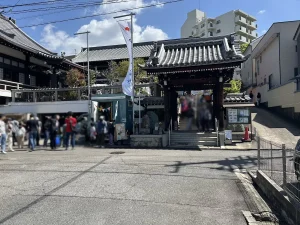
Higashi Betsuin hosts one of Nagoya’s most popular morning markets on the 8th, 18th, and 28th of every month. Food trucks, local vegetables, handmade crafts, and small businesses fill the temple grounds. Most visitors are local residents, making it an excellent opportunity to observe everyday community life in Nagoya.
Endoji Saturday Market
Endoji Shopping Street is one of Nagoya’s oldest shopping districts. During market days, the historic arcade becomes even livelier as local vendors and visitors gather. The market offers a glimpse into a style of community-centered shopping that has largely disappeared from many modern cities.
Join a Local English Conversation Circle
Markets provide casual interactions, but joining a local community event offers a deeper experience. Through my English conversation circle, participants from Japan and overseas meet to practice English, discuss current topics, and exchange cultural perspectives. For travelers, international students, and long-term visitors, it can be a rewarding way to connect with people living in Nagoya.
Walk Through Nagoya’s Historic Neighborhoods
Nagoya’s modern skyline often hides its long history. Fortunately, several neighborhoods still preserve traces of the city’s past.
Shikemichi and Endoji Shopping Street
Located near Nagoya Station, Shikemichi is one of the few places where visitors can still see traditional storehouses and streetscapes dating back to the Edo period. Combined with nearby Endoji Shopping Street, the area offers a fascinating contrast between old merchant culture and contemporary local life.
The Cultural Path
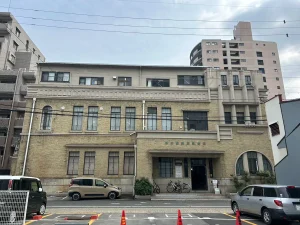
The Cultural Path introduces a different chapter of Nagoya’s history. Here, visitors can explore historic residences and Western-style buildings connected to the entrepreneurs who helped modernize the city. Walking through the district feels like stepping into the early twentieth century.
Kakuozan
Kakuozan is one of my favorite areas in Nagoya. Centered around Nittaiji Temple, the neighborhood combines religious history, local shops, and independent cafés. Unlike the busy entertainment districts of central Nagoya, Kakuozan has a slower and more relaxed atmosphere that encourages exploration on foot.
Experience Nagoya Through Seasonal Festivals
If markets reveal everyday life, festivals reveal the spirit of the community.
Endoji Tanabata Festival
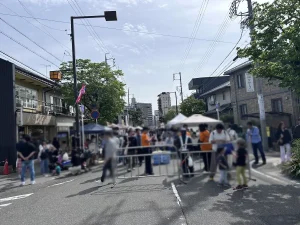
Every summer, colorful decorations transform Endoji Shopping Street. Local residents, shop owners, and visitors gather beneath elaborate handmade Tanabata displays, creating one of Nagoya’s most vibrant seasonal events.
Paris Festival at Endoji
Few visitors expect to find a celebration of French culture in a traditional Japanese shopping street. Yet that is exactly what makes the Paris Festival so memorable. The combination of local community spirit and French-inspired performances gives the event a unique atmosphere that reflects Endoji’s creativity and openness.
Kakuozan Spring Festival
Held each spring around Nittaiji Temple, the Kakuozan Spring Festival fills the streets with food stalls, performances, and visitors enjoying the pleasant weather. It is an ideal opportunity to experience one of Nagoya’s most charming neighborhoods at its liveliest.
Final Thoughts
Many travel guides focus on Nagoya Castle, museums, and famous local dishes. While those attractions are certainly worth visiting, I believe the city’s true character is often found elsewhere.
Whether you are exploring a temple market, browsing antiques in Osu, walking through historic streets, or attending a neighborhood festival, you will discover something that many travelers miss: the everyday communities that make Nagoya feel alive.
If you want to experience a more authentic side of Japan, Nagoya is a city best explored slowly—one market, one neighborhood, and one festival at a time.
Our map
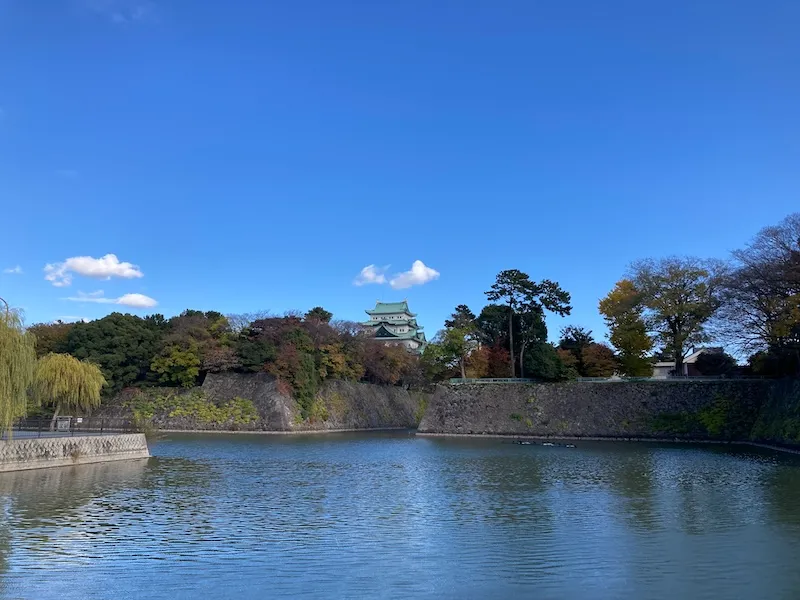
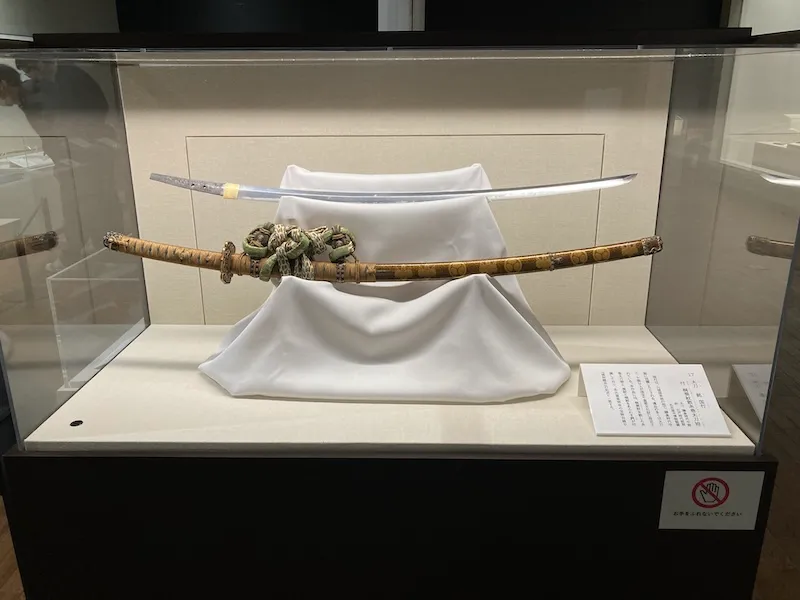
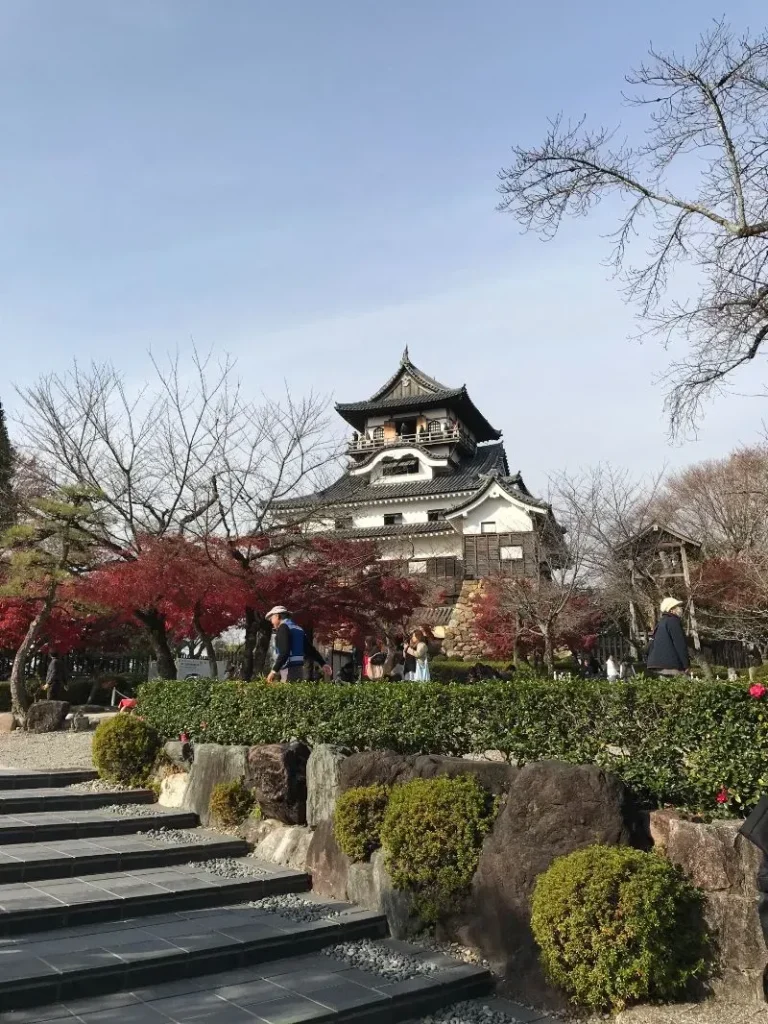
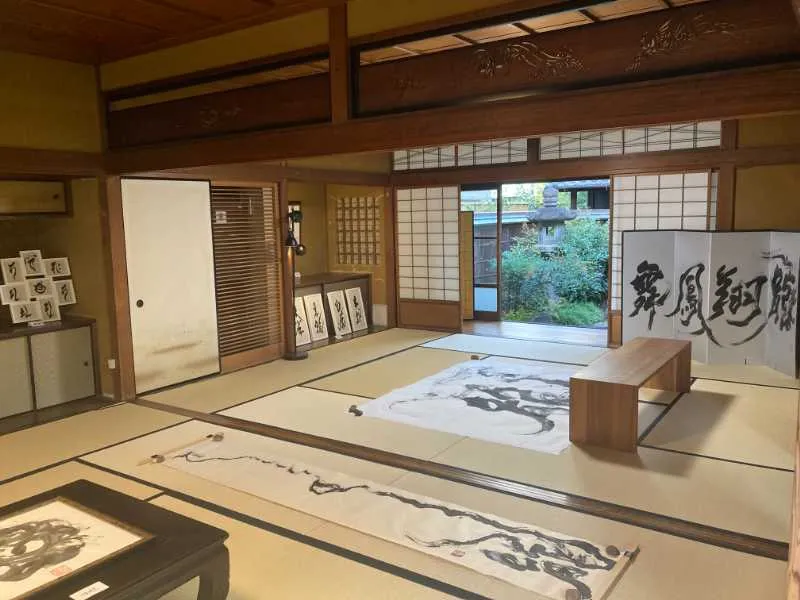
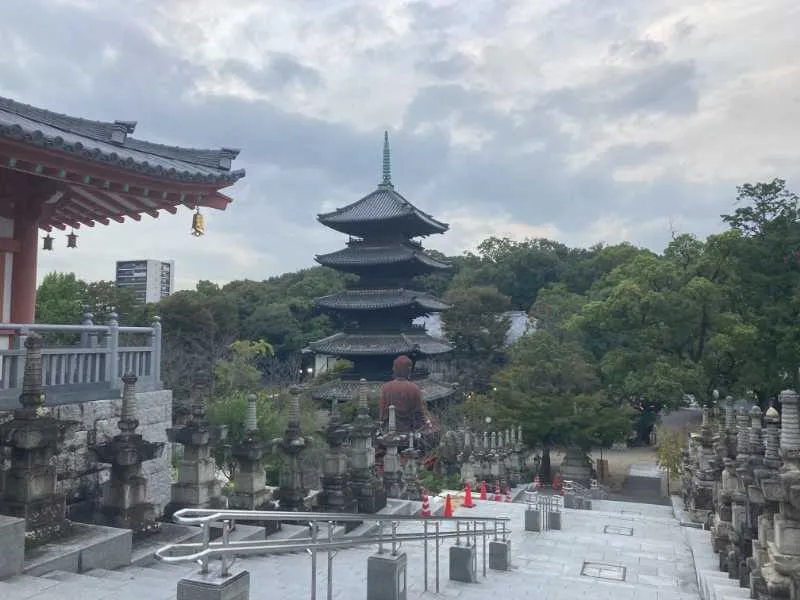
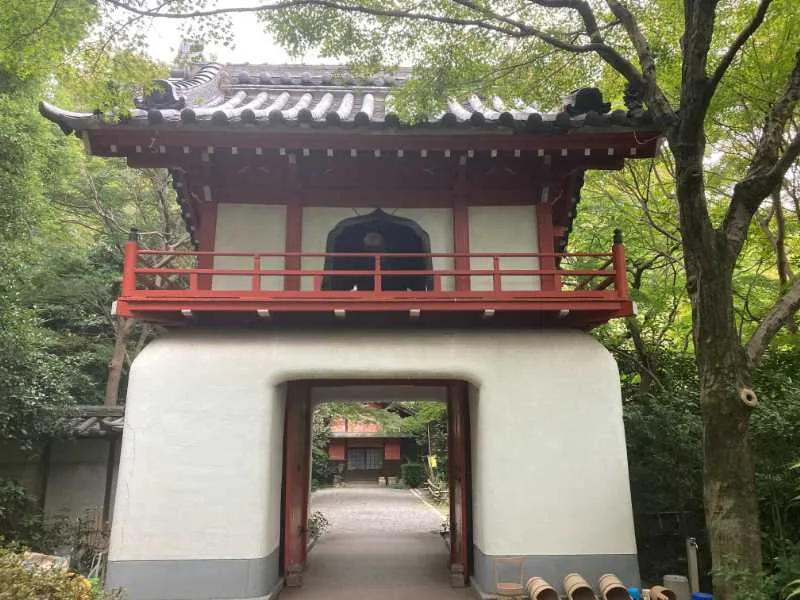
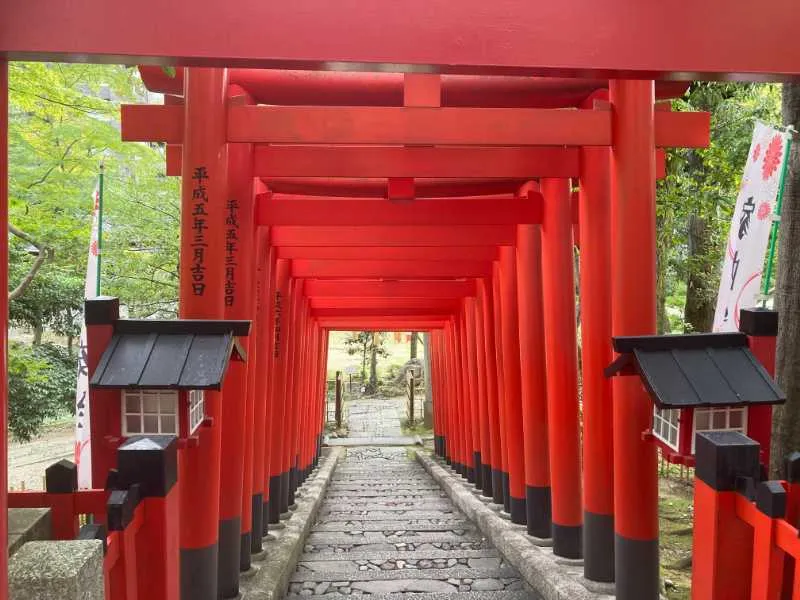
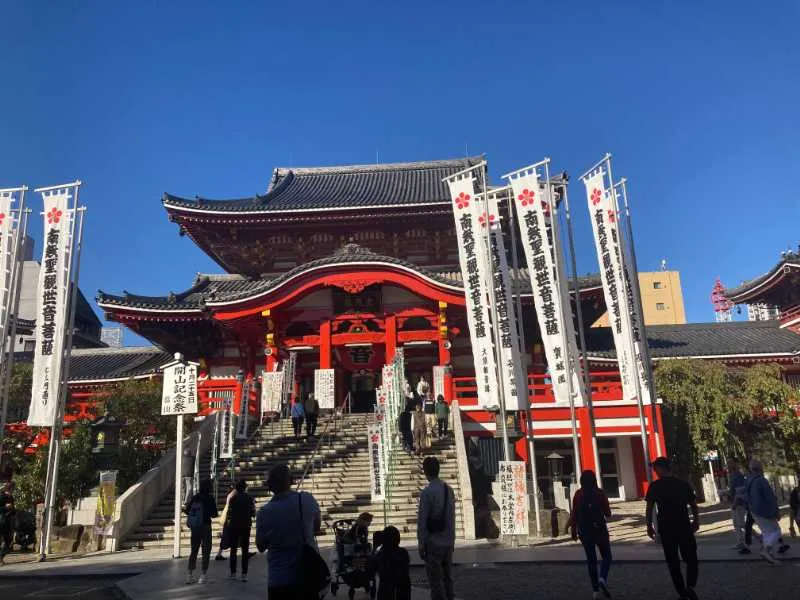
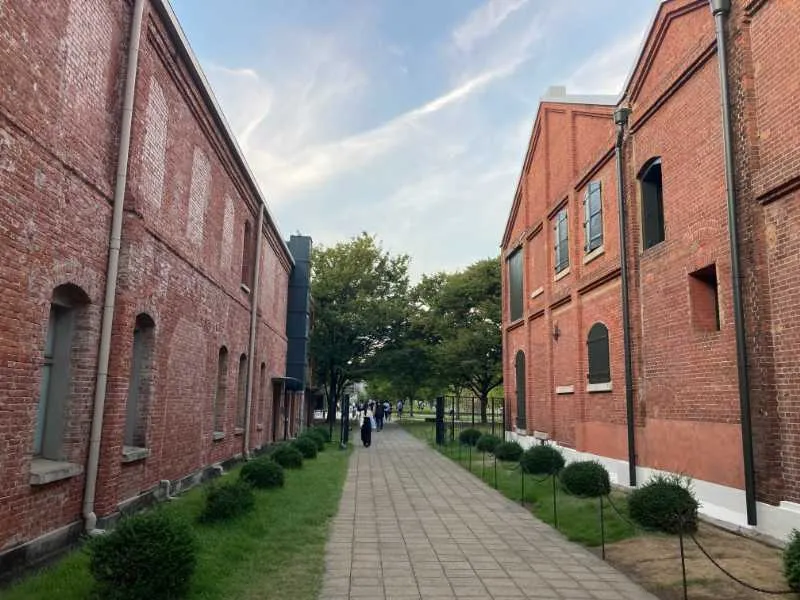
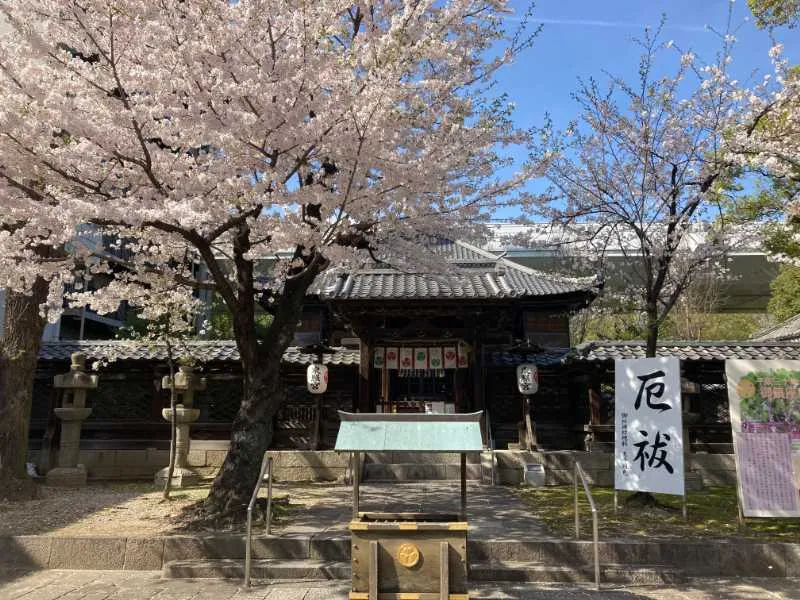
I’ve compiled a list of Nagoya’s places that I’ve personally visited. Is Nagoya boring? Not at all! While it has developed as an industrial city, it also hides interesting places full of history and culture. Use this guide to explore Nagoya and discover its hidden gems.

LEAVE A REPLY