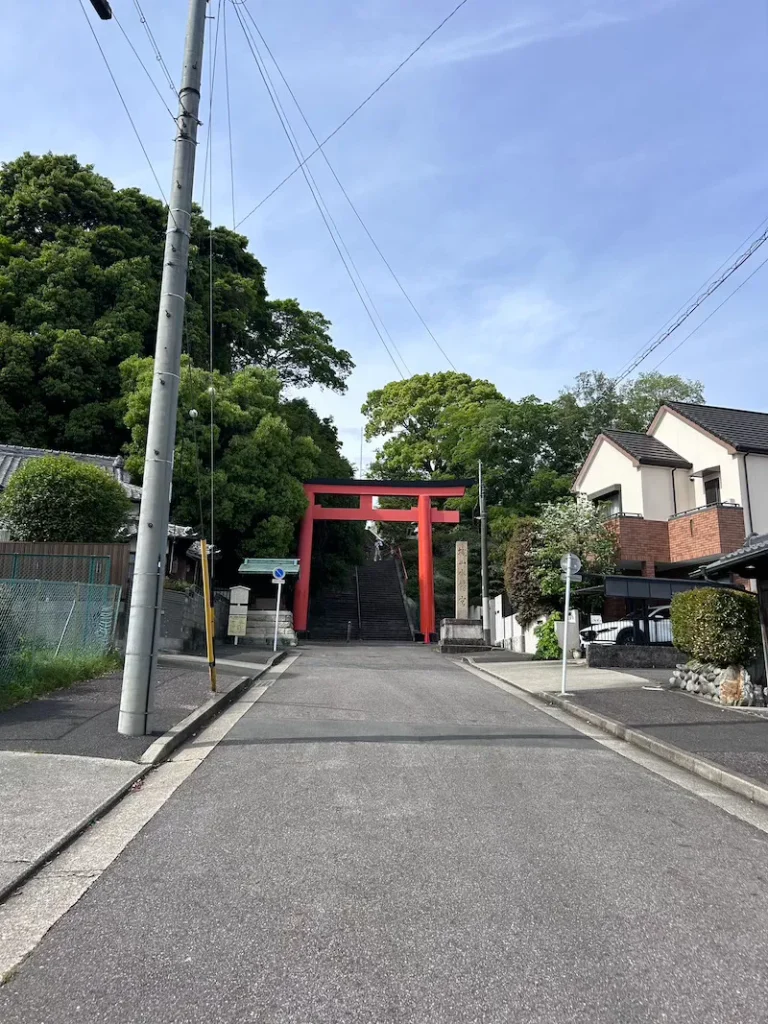
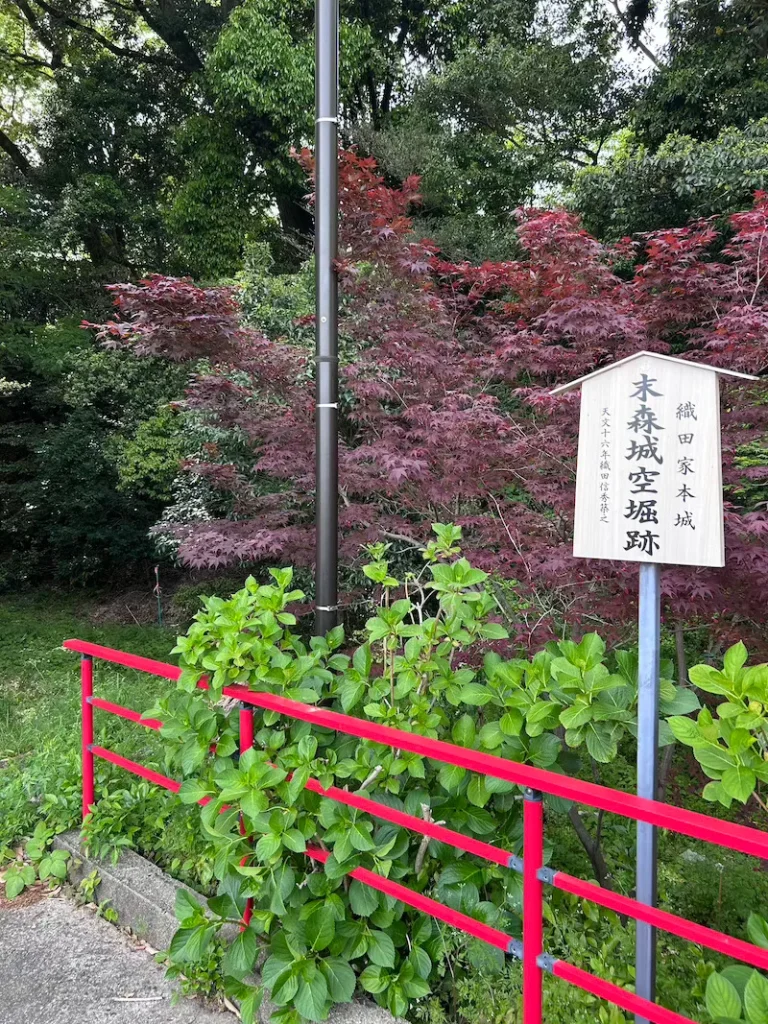
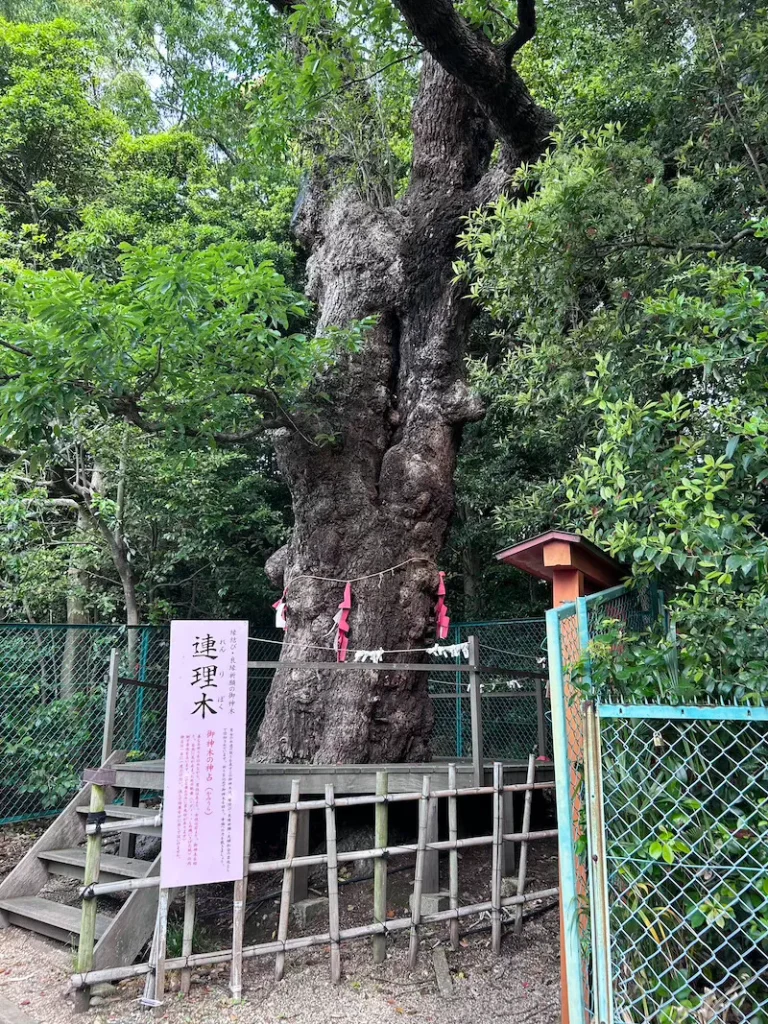
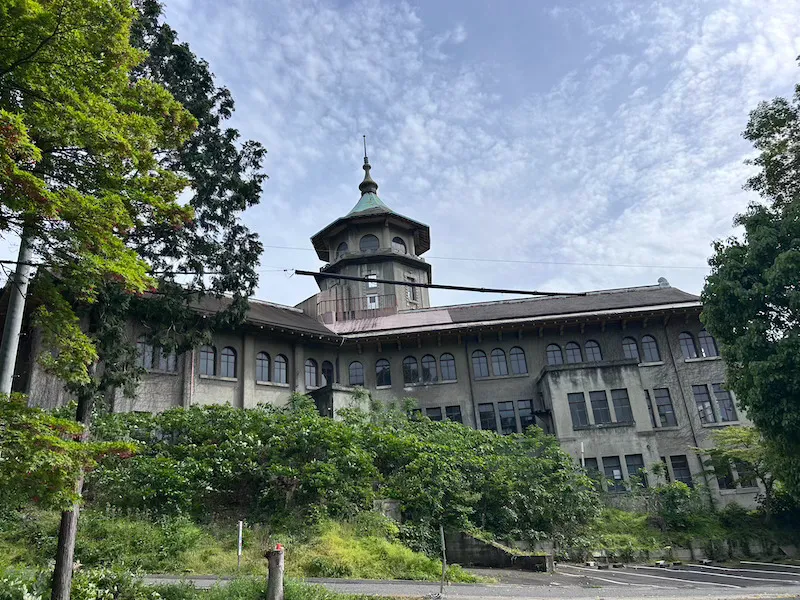
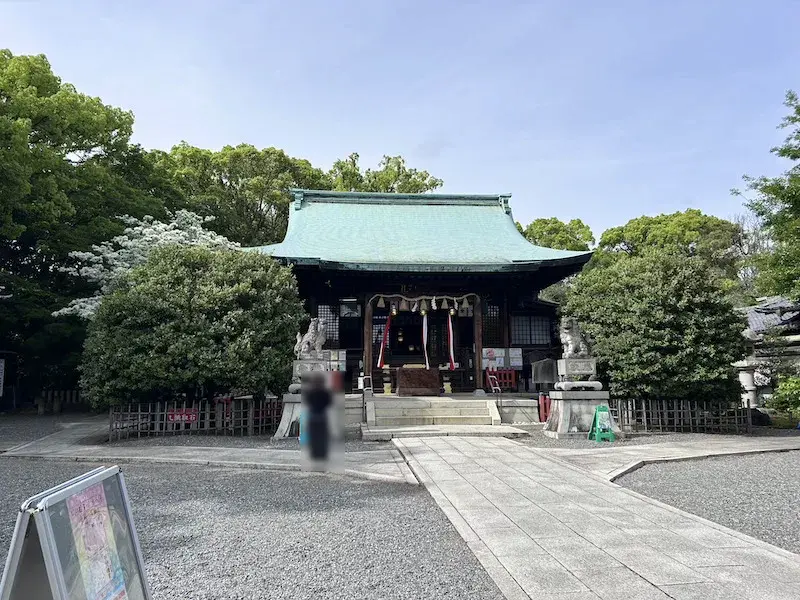
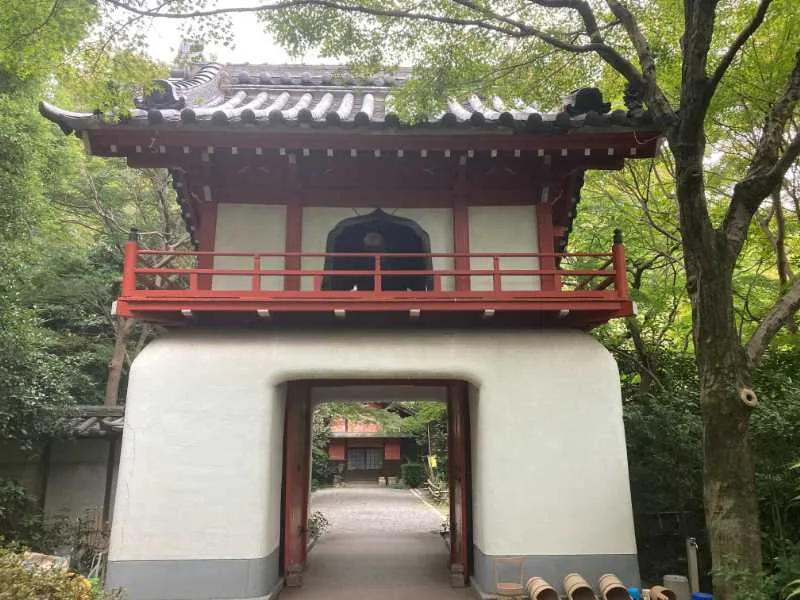
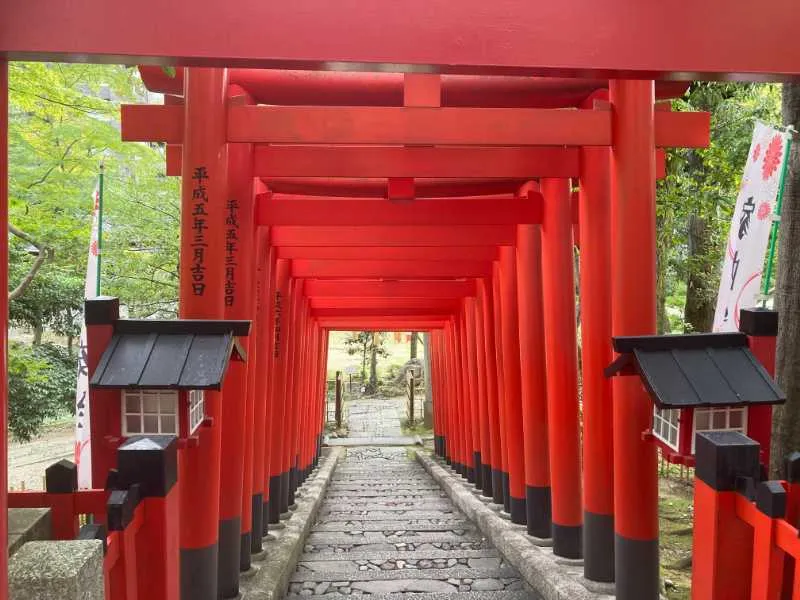
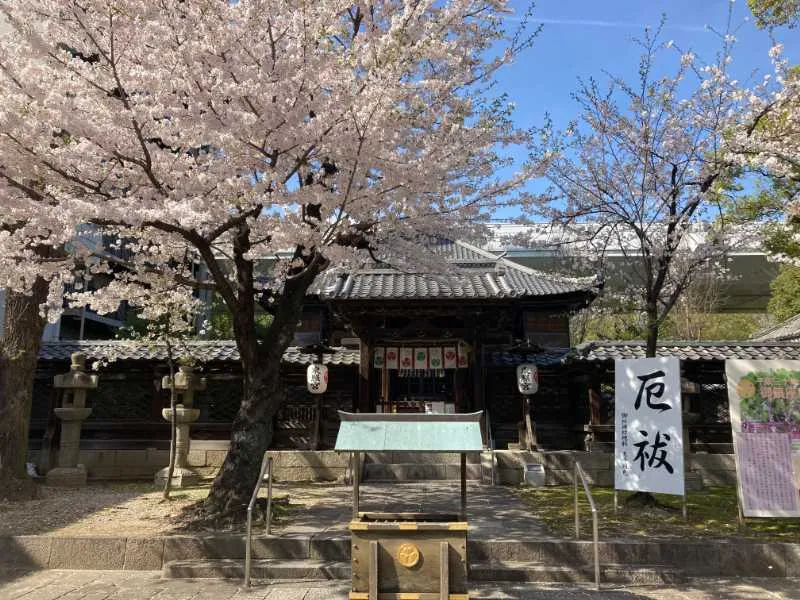
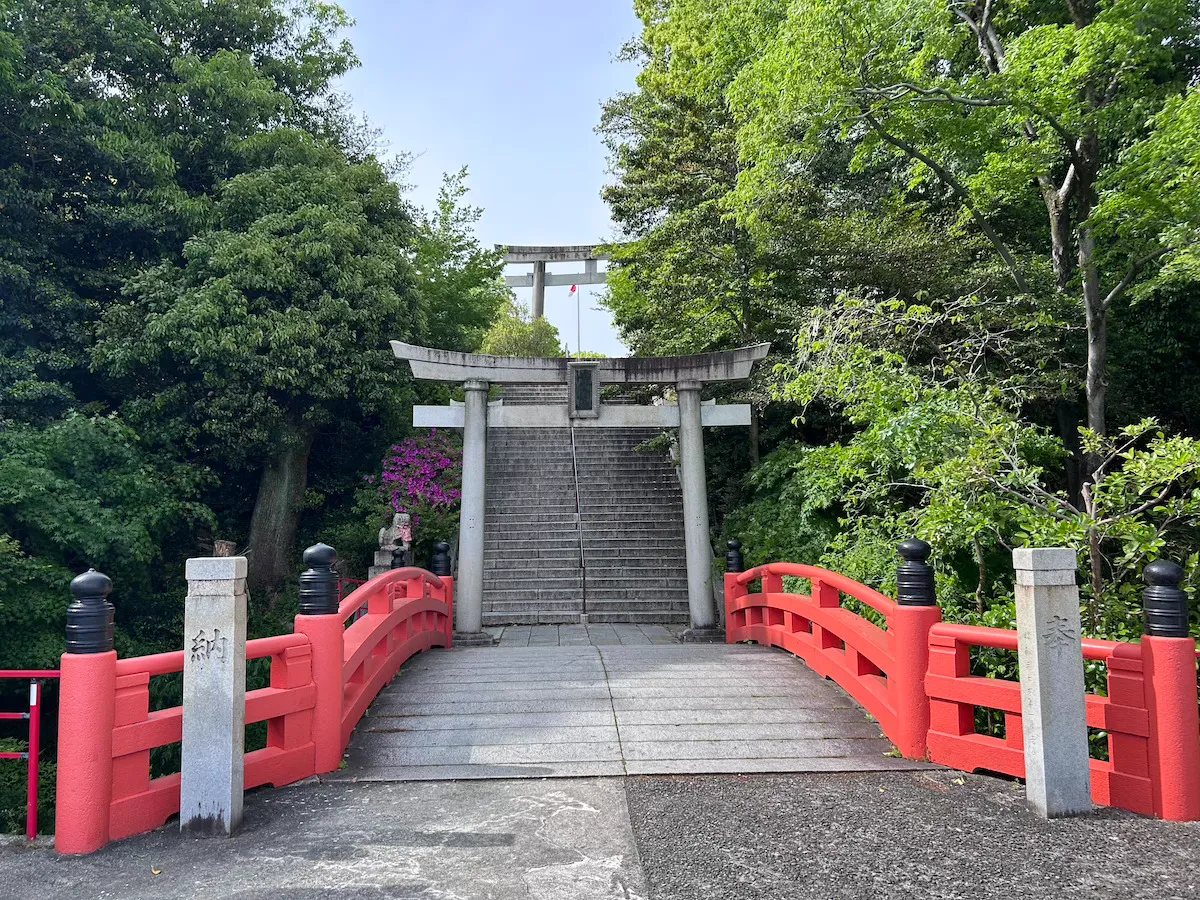
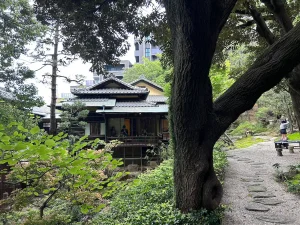
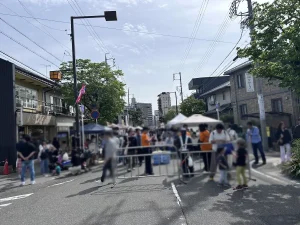
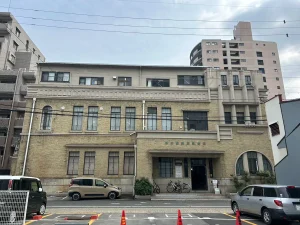
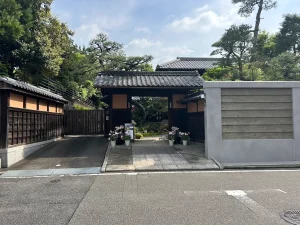
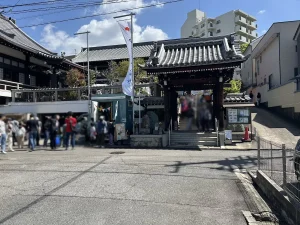
Shiroyama Hachimangu Shrine: A Hidden Historic Walk Near Kakuozan in Nagoya 2026 6/02 Walking 02/06/2026 ContentsShiroyama Hachimangu Shrine: A Historic Hidden Gem Near Kakuozan, Nagoya </noscript><iframe data-src="https://www.google.com/maps/embed?pb=!1m18!1m12!1m3!1d3261.5602221128393!2d136.95962989999998!3d35.1675871!2m3!1f0!2f0!3f0!3m2!1i1024!2i768!4f13.1!3m3!1m2!1s0x6003707318802b51%3A0xf11bcecc84408918!2sShiroyama-Hachimangu%20Shrine!5e0!3m2!1sen!2sjp!4v1780403305557!5m2!1sen!2sjp" width="600" height="450" style="border:0;" allowfullscreen="" loading="lazy" referrerpolicy="no-referrer-when-downgrade" class="lazyload" > After enjoying the Kakuozan Spring Festival, I decided to continue my walk and visit Shiroyama Hachimangu Shrine, a peaceful shrine located near the Kakuozan area of Nagoya. The shrine stands on the site of Suemori Castle, which was built in 1548 by Oda Nobuyuki, a member of the famous Oda clan during Japan’s Sengoku period. Today, the castle is gone, but traces of its history can still be found around the shrine grounds. Shiroyama Hachimangu Shrine is about a 10-minute walk from Kakuozan Station. It sits on top of a small hill surrounded by a quiet residential neighborhood. On the day of my visit, the weather was beautiful, making it perfect for a leisurely stroll. As I walked through the neighborhood, I found a torii gate standing among the houses. Passing through the gate, I climbed a series of stone steps leading up the hill. Along the way, I noticed remnants of the castle’s defensive moat. Although the moat is now dry, a bridge still crosses it, offering visitors a glimpse into the site’s medieval past. At the top of the hill stands the shrine’s main hall, surrounded by a peaceful atmosphere. After visiting the shrine, I followed a narrow path west of the main building and discovered one of the shrine’s most famous features: the Renriboku, or “Linked Tree.” This sacred tree is an enormous Abemaki oak, a deciduous species belonging to the beech family. It is said to be the largest tree of its kind in Nagoya and has been designated as a sacred tree of the shrine. Its impressive size and intertwined trunks make it a fascinating sight. After admiring the sacred tree, I continued my walk to see the former Showa Jukudo building nearby. Constructed in 1928 for the education of young people, the building has an elegant and dignified appearance. It seemed to be unused today, and it may even be abandoned, but its architecture remains impressive and worth seeing. One of the best things about Shiroyama Hachimangu Shrine is its location. The shrine is situated within the Kakuozan area, making it easy to include in a walking route that also visits Kakuozan’s shopping street, Nittaiji Temple, and Yoki-so Garden. If you enjoy exploring quieter corners of Nagoya while discovering local history, this shrine makes an excellent addition to your itinerary. Whether you are interested in samurai history, historic architecture, or simply a pleasant walk away from the crowds, Shiroyama Hachimangu Shrine offers a rewarding experience in one of Nagoya’s most charming neighborhoods. Our map I’ve compiled a list of Nagoya’s places that I’ve personally visited. Is Nagoya boring? Not at all! While it has developed as an industrial city, it also hides interesting places full of history and culture. Use this guide to explore Nagoya and discover its hidden gems. </noscript><iframe data-src="https://www.google.com/maps/d/u/1/embed?mid=16VlzhTVi_UPBU1Jsx9o-65vRrIg4SAM&ehbc=2E312F" width="640" height="480" class="lazyload" > Plan Your Nagoya Adventure Event Food & Drink Hotel Museum Temple Shrine Castle Park Walking Shrine Copied the URL ! Copied the URL ! Related articles Experience Nagoya Like a Local: Markets, Historic Streets, and Community Festivals 04/06/2026 Explore Tamesaburo Memorial Museum and Sukiya Café in Nagoya’s Kakuozan District 01/06/2026 Kakuozan Spring Festival 2026: A Local Festival Experience in Nagoya 29/05/2026 Jiro-Style Udon in Nagoya Marunouchi: Trying Sansuke’s Famous Meat Udon 26/05/2026 Nagoya Grampus New Stadium Experience: Visiting Paloma Mizuho Stadium 18/05/2026 Nagoya Ceramics Exhibition Hall: A Free Museum on the Cultural Path 22/04/2026 Hyakka Hyakuso Nagoya Guide: A Hidden Garden on the Cultural Path 22/04/2026 Mizuho Musubi Morning Market in Nagoya (April 2026): A Hidden Local Gem at Shūgetsu-in Temple 14/04/2026 LEAVE A REPLY To comment Cancel replyComment * Name * Email * Website Save my name, email, and website in this browser for the next time I comment.



LEAVE A REPLY