When visiting temples or shrines in Japan, please remember that these are sacred places. Any behavior that shows disrespect — such as touching sacred objects, entering restricted areas, or making noise — can be seen as both culturally offensive and legally punishable under Japanese law (Article 188 of the Penal Code).
Contents
A Historic Destination in Nagoya
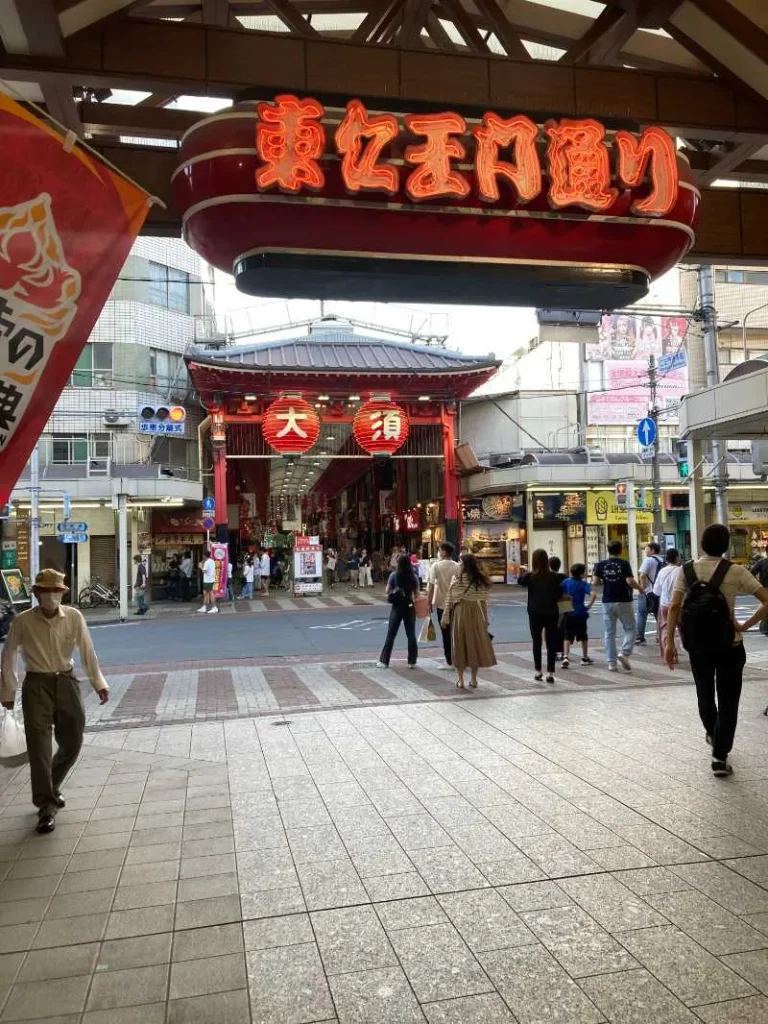
If you visit Nagoya, Osu Shopping Street is a place best explored on foot. Rather than being a single-theme tourist destination, Osu is an area where multiple layers of Nagoya’s history overlap.
Some people describe it as a compact blend of Asakusa, Akihabara, and Ueno in Tokyo. However, Osu has its own identity, shaped by centuries of change. This article focuses on Osu as a historical district, rather than on food trends or pop culture.
The Birth of Osu as a Temple Town
Osu kannon temple
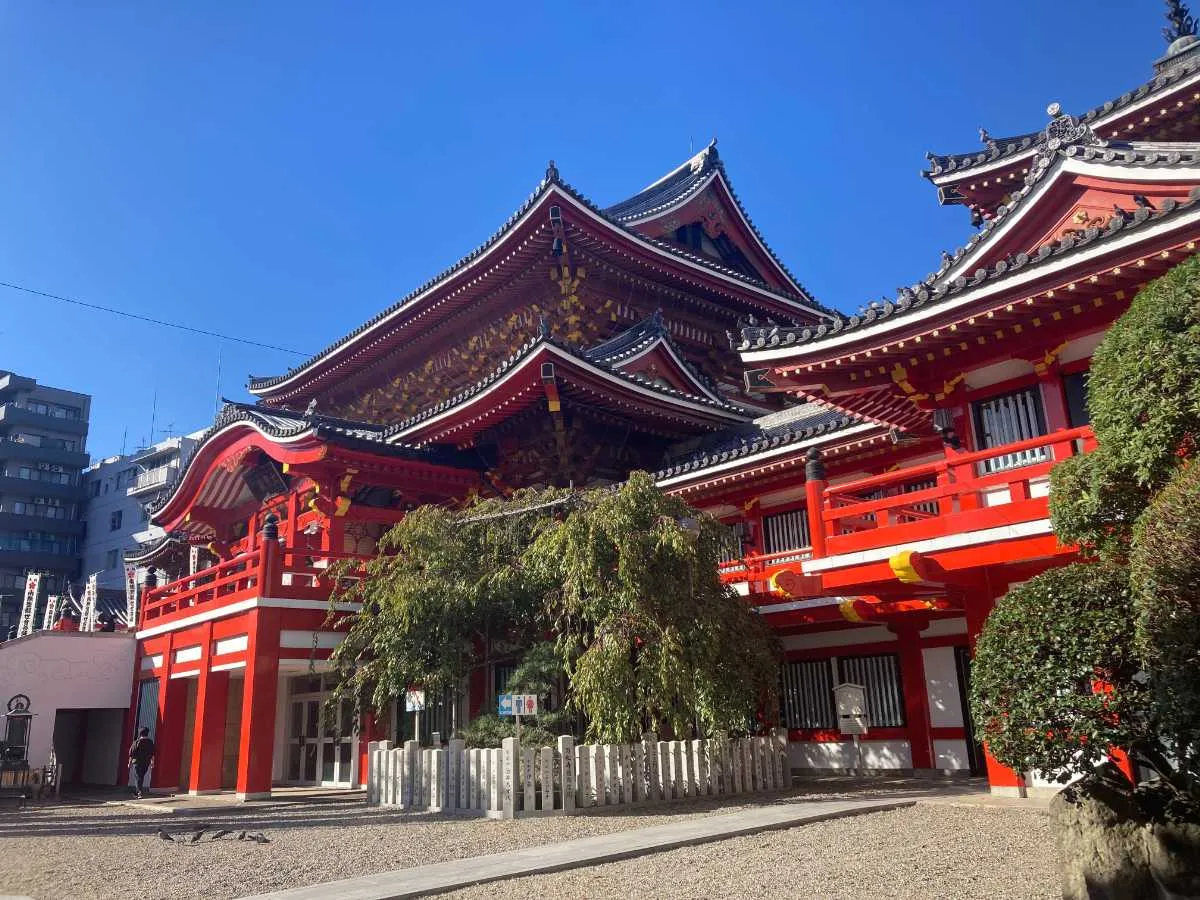
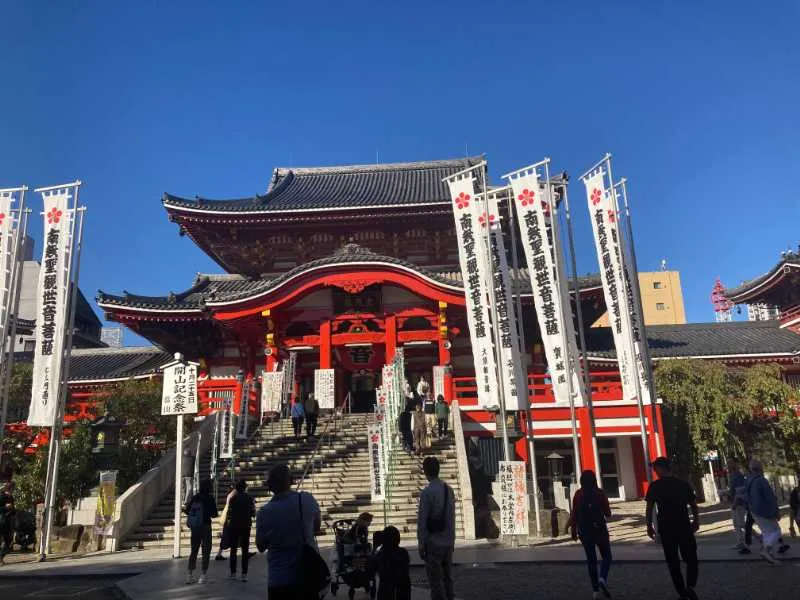
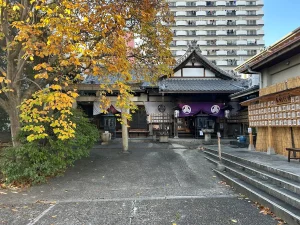
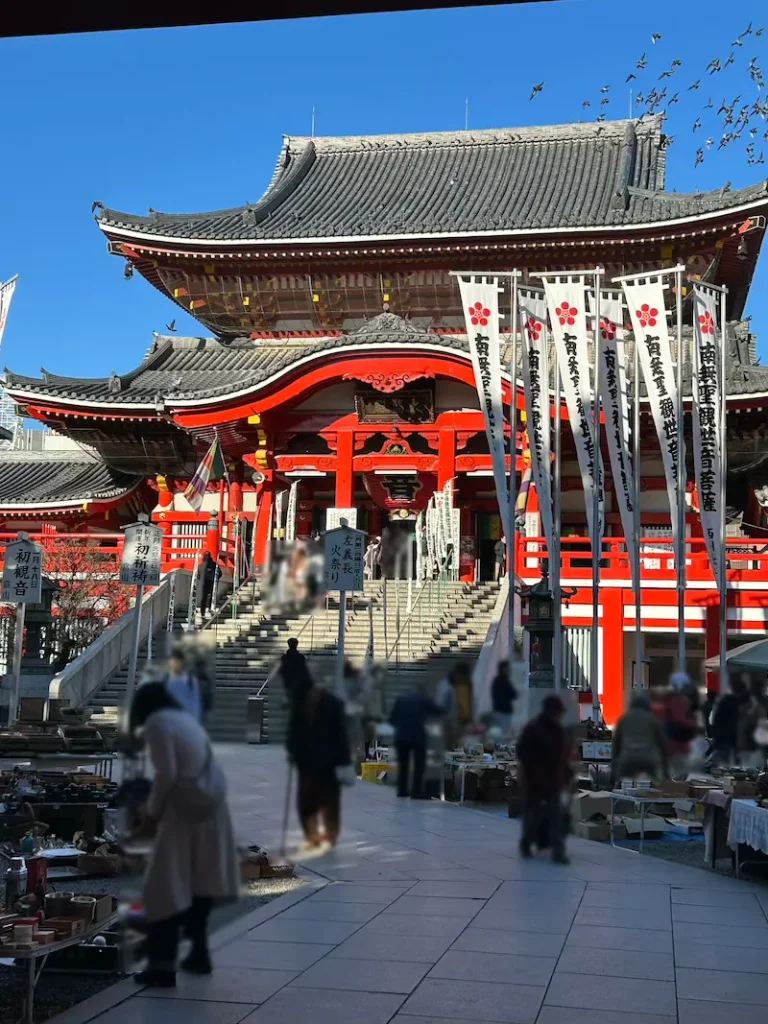
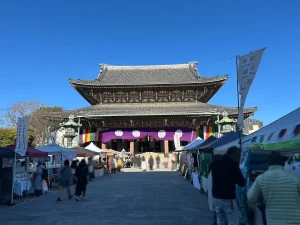
Osu’s history begins in 1613, when Osu Kannon Temple was relocated to its current location. The surrounding area developed as a teramachi, or temple town, within the castle town of Nagoya.
For a long time, the district functioned primarily as a religious and commercial area serving temple visitors. This character would later change dramatically as the city expanded.
Osu as a Government-Approved Red-Light District
From the late 19th century through Taisho period(1923), Osu became home to Asahi Yukaku , a government-approved red-light district.
During this time, the area was officially licensed and regulated, and it played a significant role in Nagoya’s urban entertainment culture. Although none of the buildings from this era remain today, Osu’s streets still carry traces of this past.
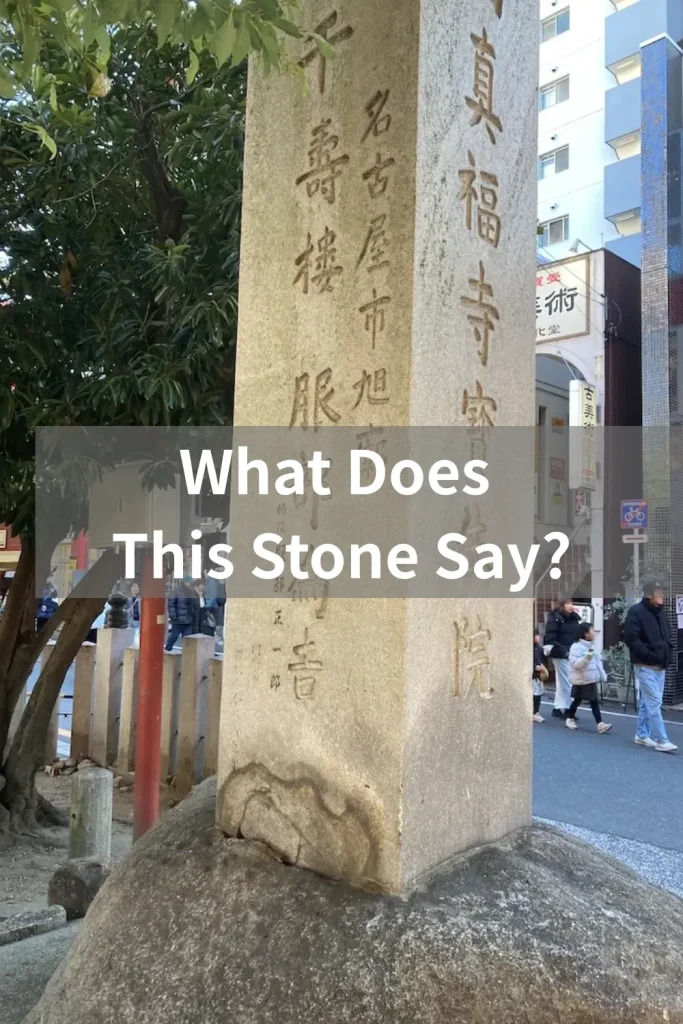
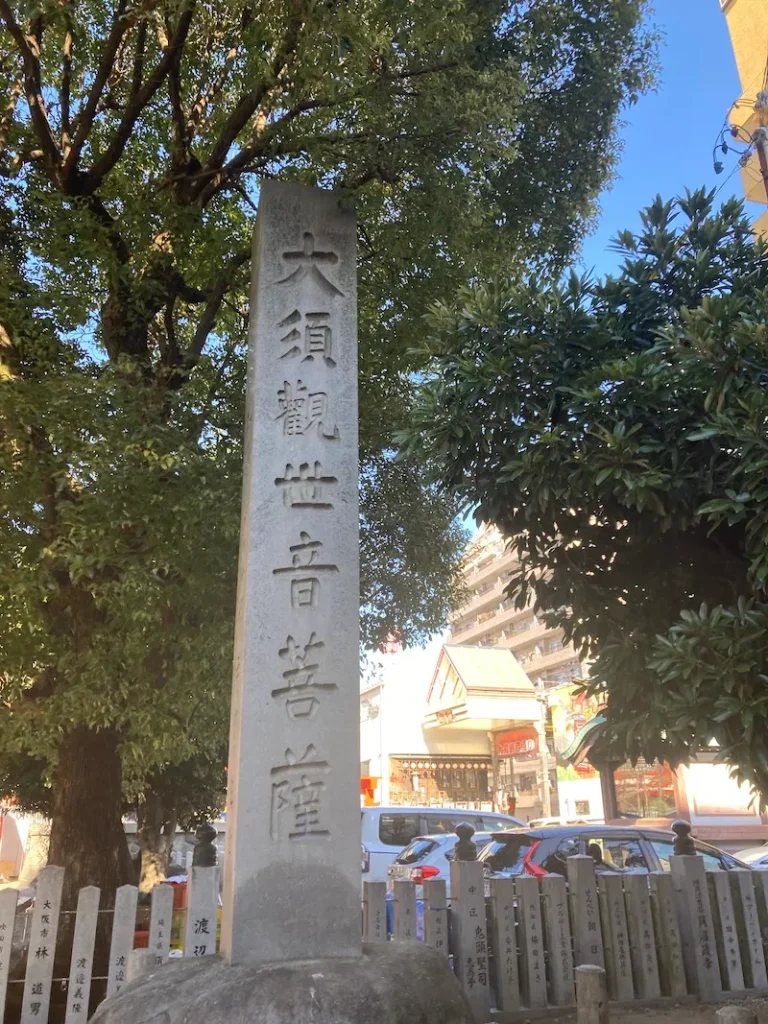
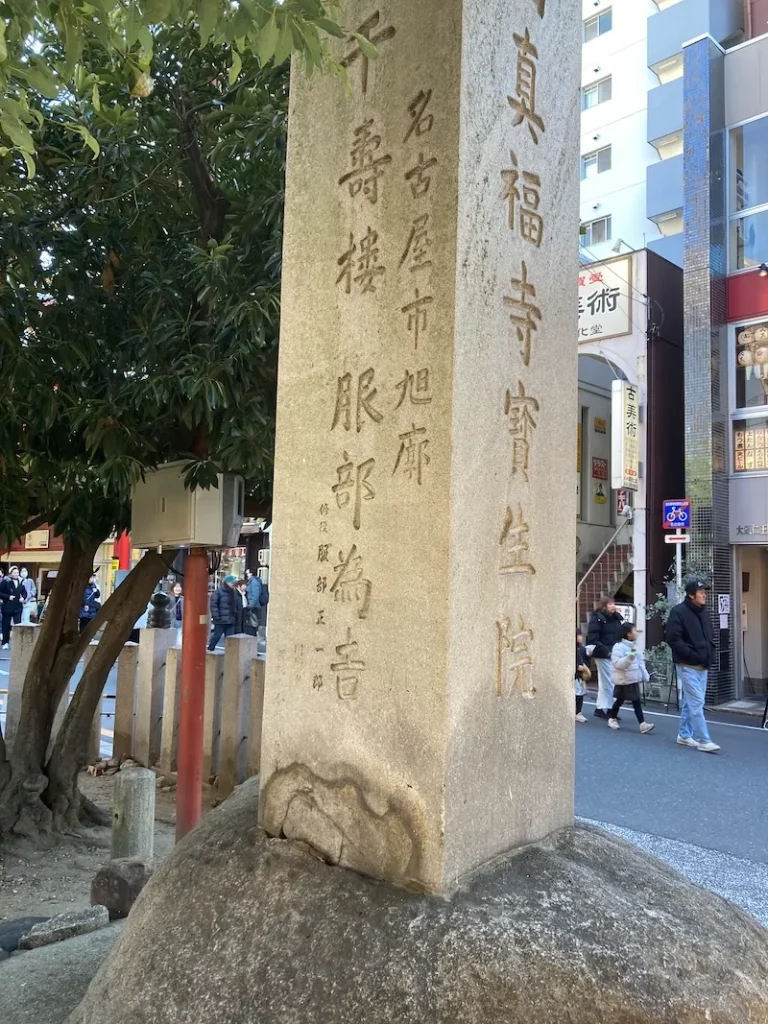
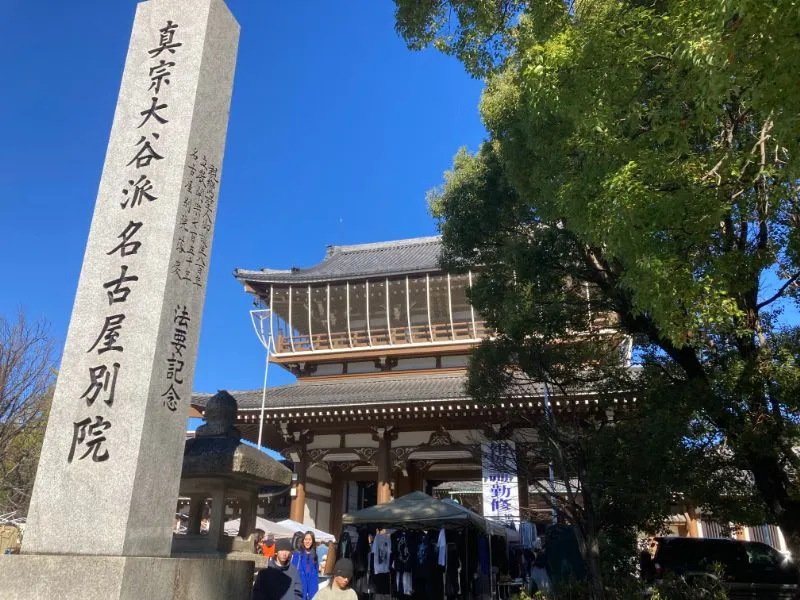
Near the gate of Osu Kannon stands a large stone monument. At first glance, the stone monument in front of Osu Kannon may look like a simple decorative marker. However, when you walk around to the back of the stone, you will find several kanji characters carved into it that provide historical clues about this area’s past.
Since these kanji inscriptions might be difficult for non-Japanese readers to understand, here is a clear, side-by-side explanation of what they mean in English:
名古屋市旭廓(Nagoya City Asahi Kuruwa): the official name of Nagoya’s government-approved red-light district
千寿楼(Senjuro): the name of a brothel that once operated in this area
服部為吉(Hattori Tameyoshi): the name of the brothel’s owner
The Relocation to Nakamura and the End of Osu’s Entertainment Role
Former brothel in Nakamura Yukaku area In 1923, Nagoya’s red-light district was relocated from Osu to the Nakamura area, where the Nakamura Yukaku was established.
Nakamura Yukaku later flourished from the 1920s through the 1950s, including during the years of World War II. Osu, meanwhile, lost its role as an official entertainment district and became an ordinary urban neighborhood.
If you are interested in this chapter of Nagoya’s history, I have written a separate article about the Nakamura Yukaku, which became the city’s main red-light district after the relocation.
あわせて読みたい
Nagoya’s Red Light District History: Discovering Nakamura Yūkaku and Its Hidden Soba Gem
日本語版はこちら Visitor Notice:Nakamura Yukaku is a historic area, but it is also a quiet residential neighborhood where local people live. Visitors are wel…
War Damage and the Loss of the Prewar Cityscape
Although Osu was no longer a red-light district by this time, the area suffered heavily during World War II. Air raids destroyed much of the prewar cityscape, erasing large parts of Osu’s historical architecture.
What survives today is largely the result of postwar reconstruction rather than continuity from earlier periods.
Postwar Reconstruction, Decline, and Reinvention
After the war, Osu Shopping Street was rebuilt and gradually regained its role as a commercial district. However, by the 1970s, it faced a serious decline due to changes in consumer behavior and the rise of suburban shopping areas.
The situation improved with the construction of new subway lines and stations, which brought people back into the area. Osu reinvented itself several times, first as an electronics district and later as a center for various subcultures. This ability to adapt has allowed the shopping street to survive into the present day.
Hidden Historical Sites Within Osu
Beyond the shops, Osu is home to several important historical sites that reflect much older layers of history.
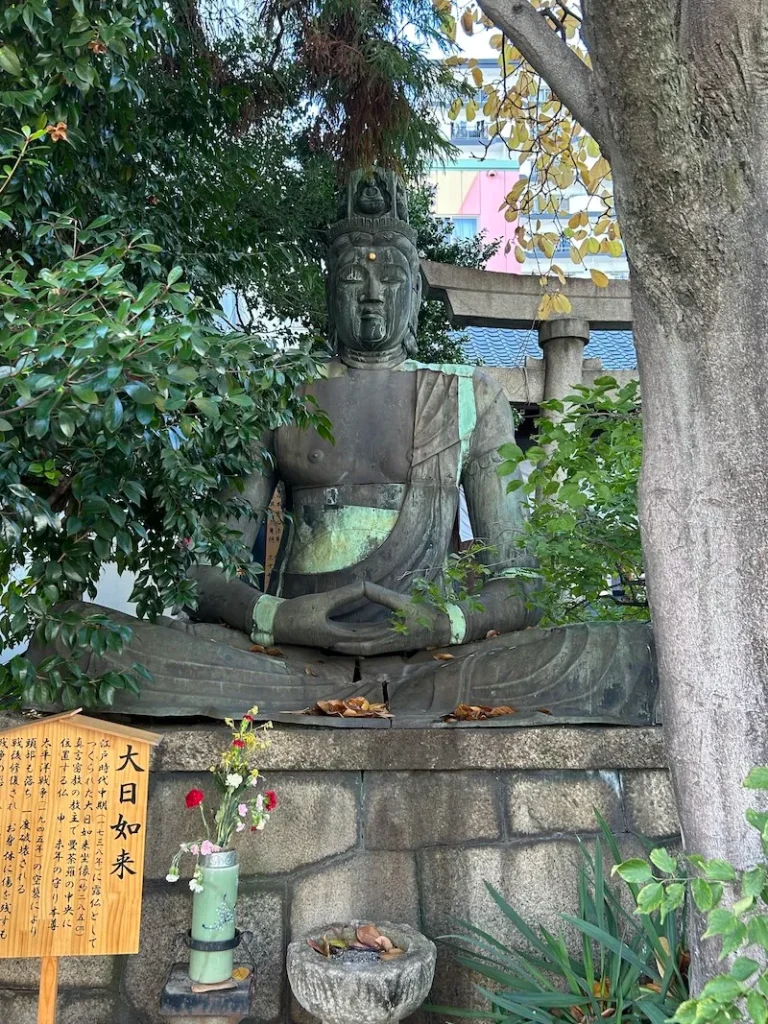
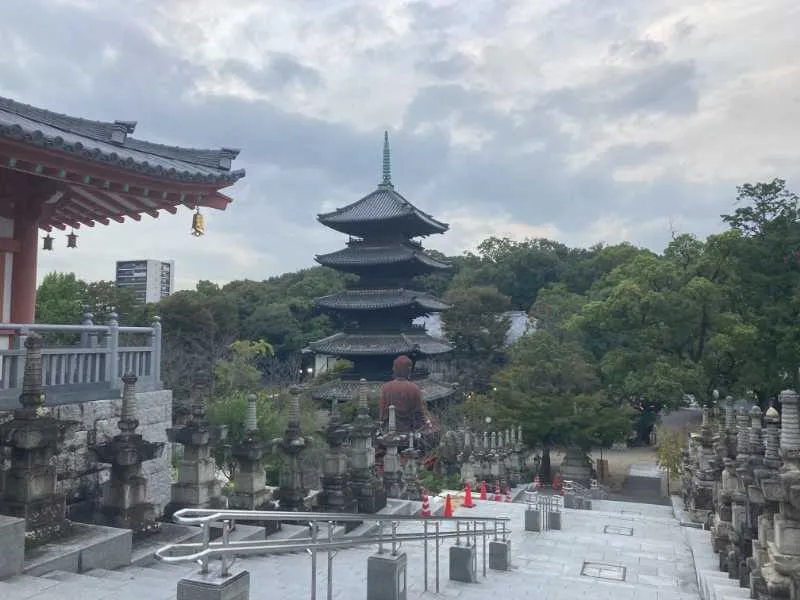
One of these is Nanatsudera, or Seven Temple, from which the surrounding area takes its name. Here stands the well-known patched-together Buddha statue, reconstructed after being destroyed in wartime air raids.
あわせて読みたい
The Hidden Great Buddha of Nanatsu-dera: A Secret Historical Spot on the Edge of Osu, Nagoya
The Great Buddha Hidden Among the Trees Osu is usually known for street food, shopping, and crowds—but tucked away at its quiet edge is a surprisingly deep p…
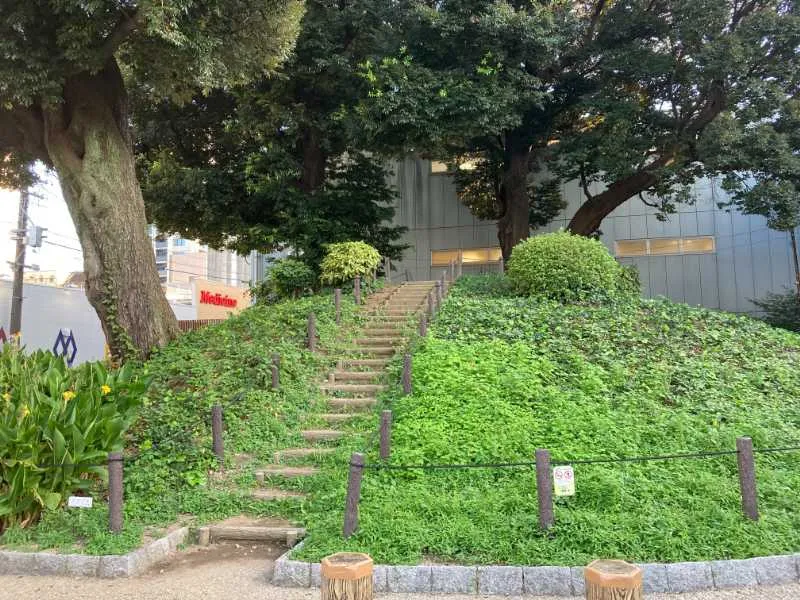
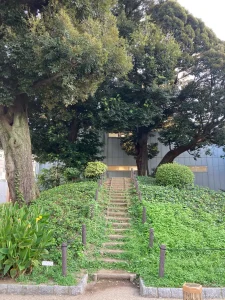
Nearby is a small hill-like structure known as a kofun, an ancient burial mound believed to date back to around the 5th century. It serves as a reminder that this area was inhabited long before Nagoya emerged as a city.
あわせて読みたい
An ancient tomb called Kofun in Osu Shopping Street
An ancient tomb in Osu shopping Street When I went to Osu Shopping Street, I happened to find an ancient tomb, so I’ll introduce it. It’s well known that man…
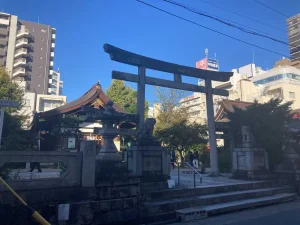
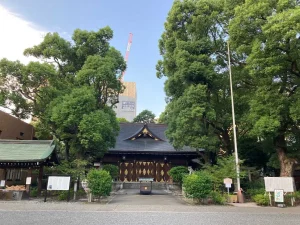
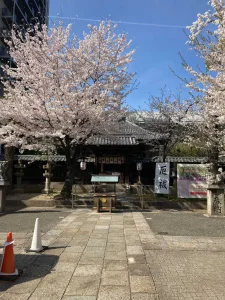
Miwa Shrine, also located within the district, is associated with good relationships and human connections. It remains a quiet place where locals come to pray for harmony and strong bonds.
あわせて読みたい
Miwa shrine in Osu shopping street
This shrine is part of our Nagoya Shrines and Temples Guide, which introduces the most important religious sites in Nagoya. Miwa shrine in Osu shopping stree…
Events That Continue the Tradition of Gathering
Osu Shopping Street continues to function as a place of gathering through its regular events.
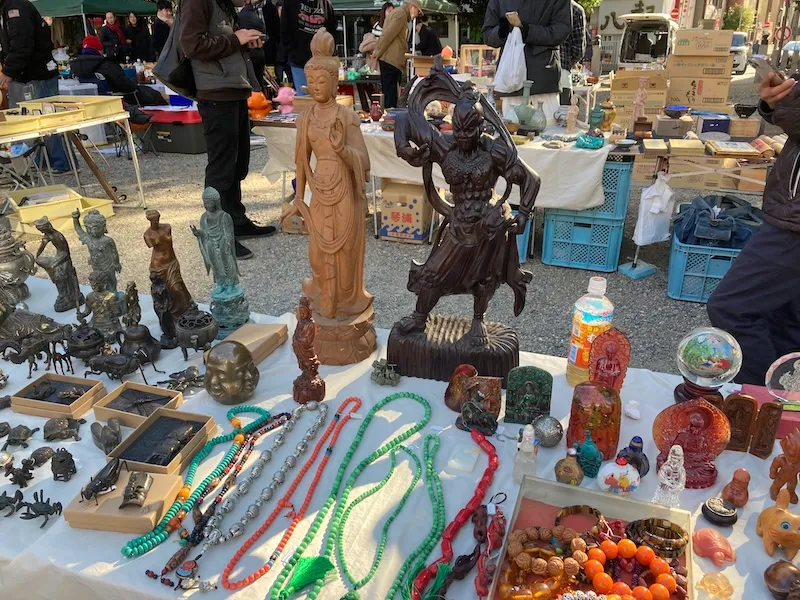
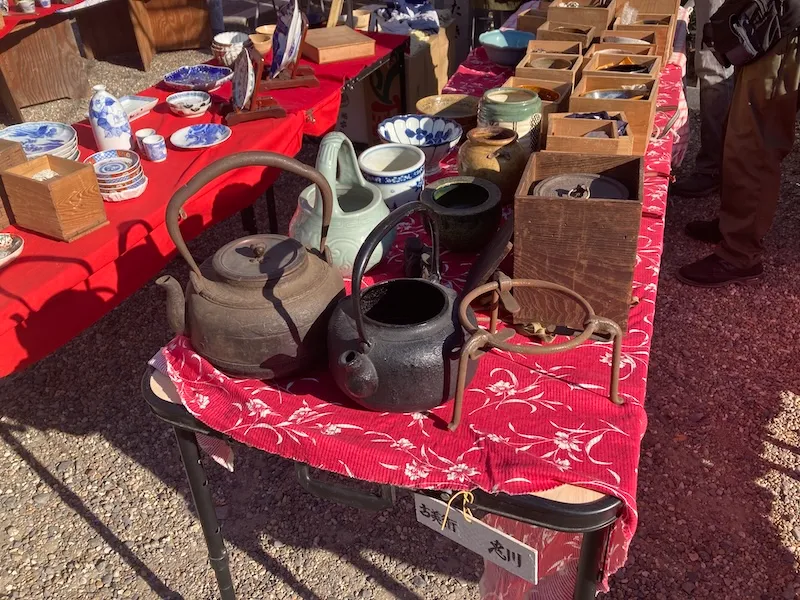
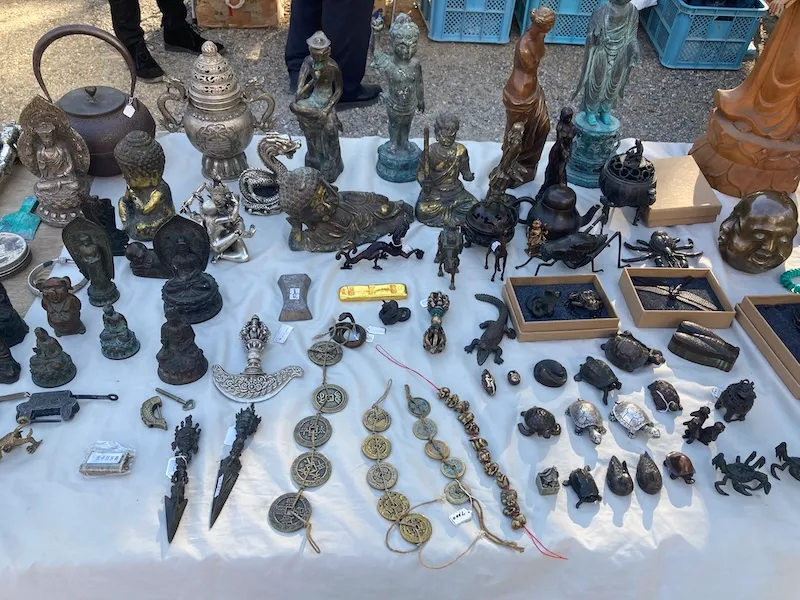
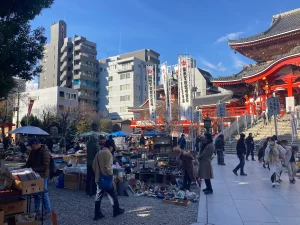
An antique market is held on the 18th and 28th of every month, attracting visitors interested in vintage and historical items. In addition, Wakamiya Hachimangu Shrine, located nearby, hosts a market on the 1st of every month.
あわせて読みたい
Find your treasure! Osu Kannnon temple and antique market in Nagoya
This shrine is part of our Nagoya Shrines and Temples Guide, which introduces the most important religious sites in Nagoya. A market held on the 18th and 28t…
あわせて読みたい
Market at Wakamiya Hachimanshya shrine in Nagoya
Wakamiya Hachimanshya shrine in Nagoya Wakamiya Hachimansha is a very spacious shrine located near Sakae in Nagoya. The history of this shrine is very long. …
These events reflect Osu’s long-standing role as a space where people come together, even as the nature of that gathering has changed over time.
Food as a Reflection of the Present
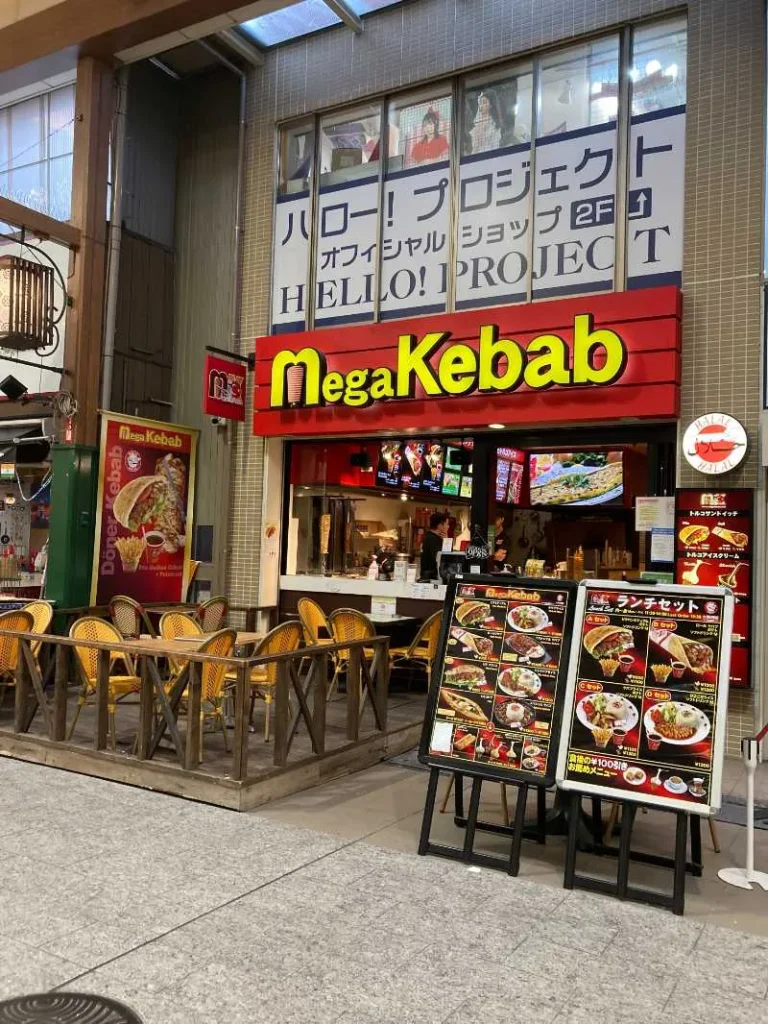
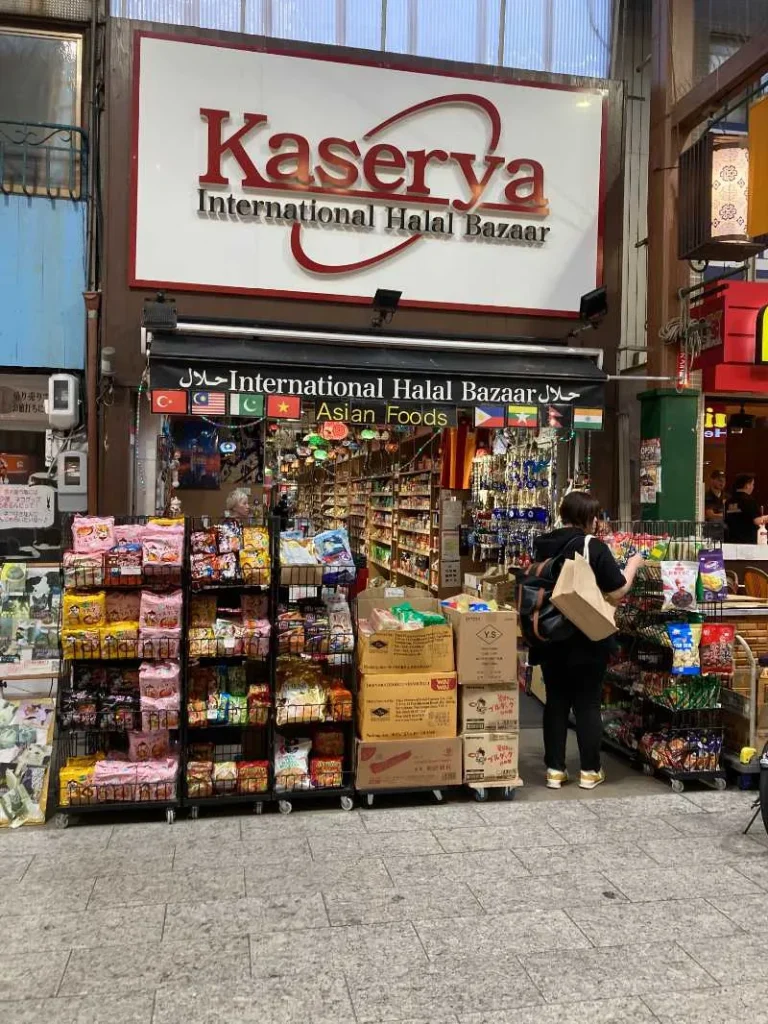
Today, Osu is also known for its diverse food scene, shaped by the international communities that have settled in the area. Restaurants serving Southeast Asian, Chinese, and other global cuisines can be found throughout the shopping streets.
Rather than defining Osu, food here reflects its current phase as a multicultural urban space layered on top of its historical foundation.
あわせて読みたい
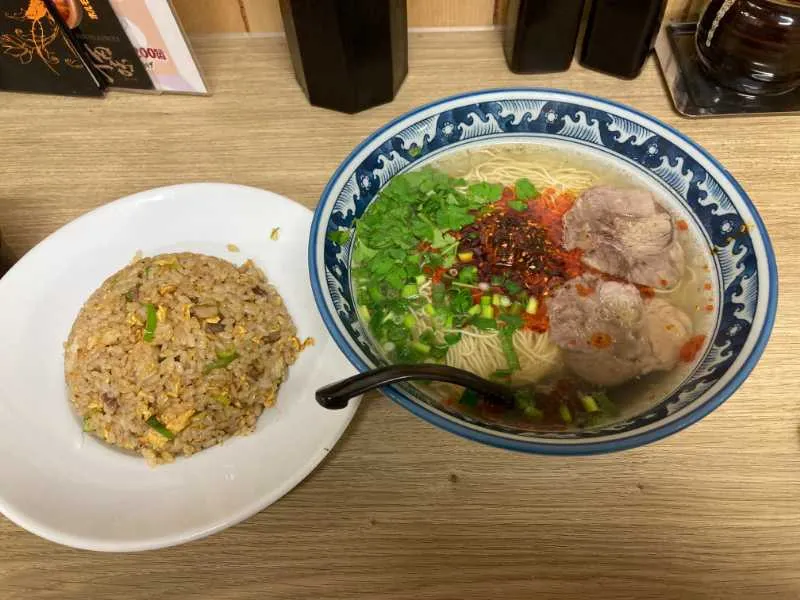
“Newbyway” best Lanzhou beef noodles in Osu Nagoya
I want to eat Lanzhou beef noodles. I want to eat Lanzhou ramen. I crave the mildly spicy beef bone broth with chili oil and coriander. I don’t think there a…
あわせて読みたい
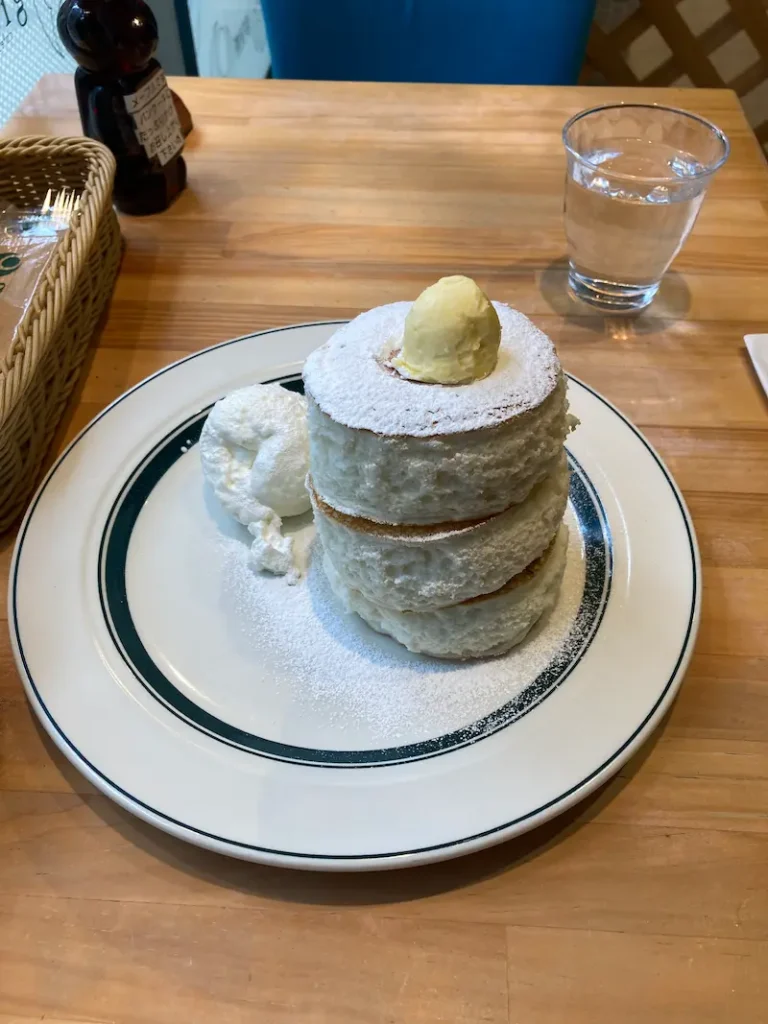
Fluffy pancake in Nagoya! gram in Osu shopping street.
I found a pancake restaurant in Osu Nagoya. I was walking around Osu Shopping Street when I found a sign for a pancake restaurant. Osu Shopping Street, locat…
Final Thoughts
Osu Shopping Street is not simply a place to shop. It is a district shaped by religion, regulated entertainment, relocation, war, decline, and repeated reinvention.
Walking through Osu is a way to trace the changing structure of Nagoya itself. By paying attention to what is no longer visible as much as what remains, the deeper history of the area begins to emerge.
When visiting temples or shrines in Japan, please remember that these are sacred places. Any behavior that shows disrespect — such as touching sacred objects, entering restricted areas, or making noise — can be seen as both culturally offensive and legally punishable under Japanese law (Article 188 of the Penal Code).



LEAVE A REPLY