When visiting temples or shrines in Japan, please remember that these are sacred places. Any behavior that shows disrespect — such as touching sacred objects, entering restricted areas, or making noise — can be seen as both culturally offensive and legally punishable under Japanese law (Article 188 of the Penal Code).
Contents
A Quiet Photo Walk from Higashi Betsuin to Osu, Nagoya
On December 18, 2025, I went on a relaxed photo walk from Higashi Betsuin Station to Osu in Nagoya.
I didn’t bring a professional camera—just my smartphone. Walking slowly, observing small details, and stopping whenever something caught my eye was more than enough.
Nagoya is a typical Japanese castle town, and one of its lesser-known features is the temple town area stretching from Higashi Betsuin to Osu. Much of this neighborhood was destroyed during air raids in World War II, but several temples, gates, and gardens survived and still remain today.
This route is not about famous landmarks. It is about quietly walking through places that have been preserved by the local community.
This was my walking route:
Higashi Betsuin Station
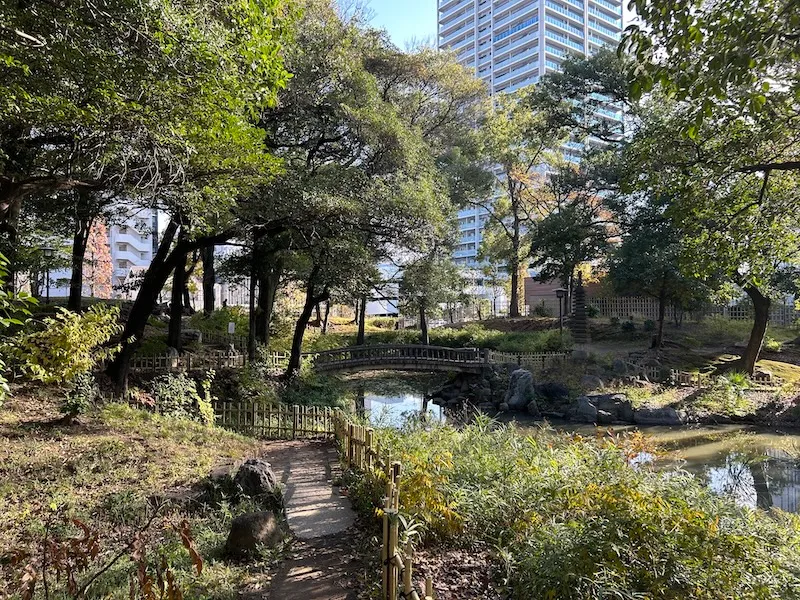
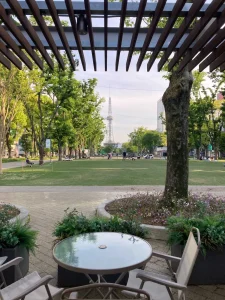
Shimochaya Park: A Hidden Edo-Period Garden
After getting off at Higashi Betsuin Station, I took Exit 4 and walked to Shimochaya Park.
Because it is not a tourist spot, the park is almost always empty. A quiet pond sits in the center, surrounded by stone monuments. It is an ideal place to slow down and begin the walk.
Higashi Betsuin and the Morning Market
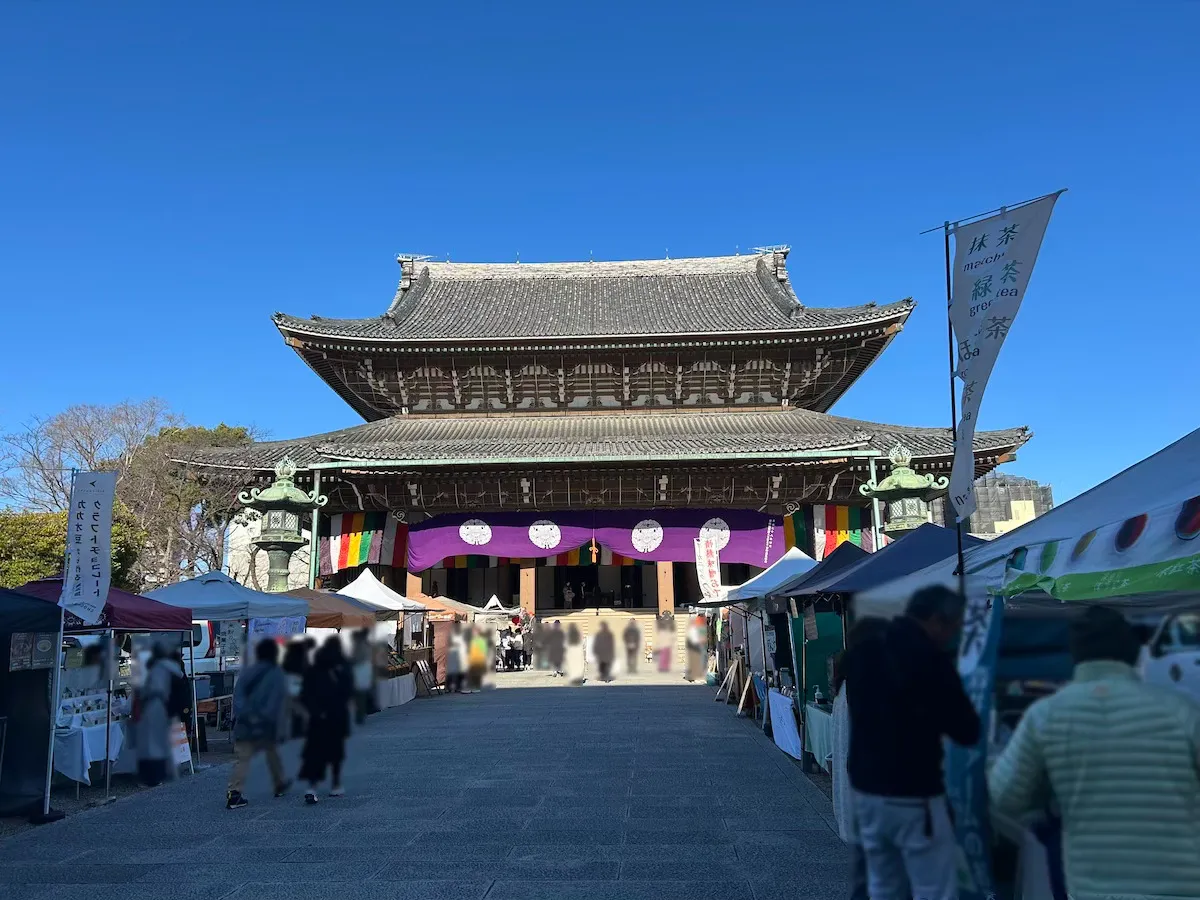
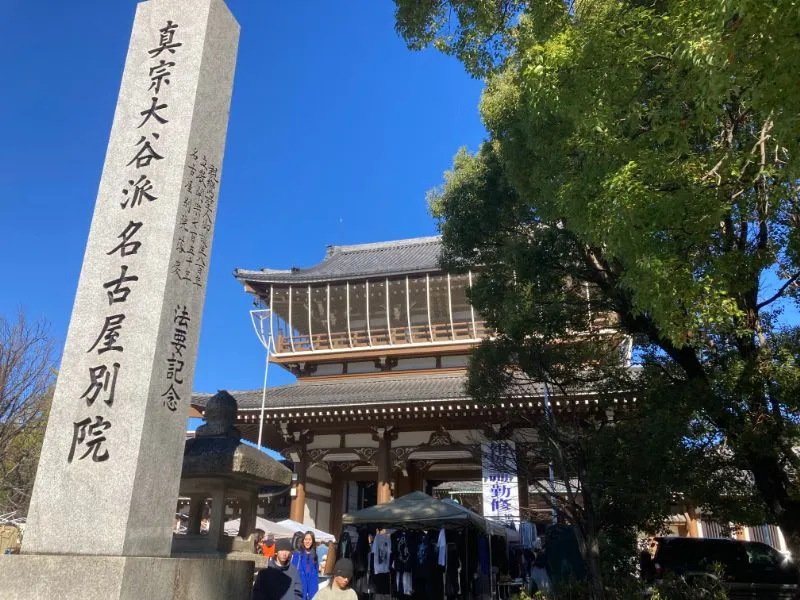
From the park, I headed to Higashi Betsuin, one of the largest temples in Nagoya. It belongs to the Otani branch of Jodo Shinshu Buddhism, whose head temple is Higashi Honganji in Kyoto.
Jodo Shinshu is the largest Buddhist sect in Japan and is divided into eastern and western branches. This division dates back to conflicts in the 16th century, including tensions with Oda Nobunaga.
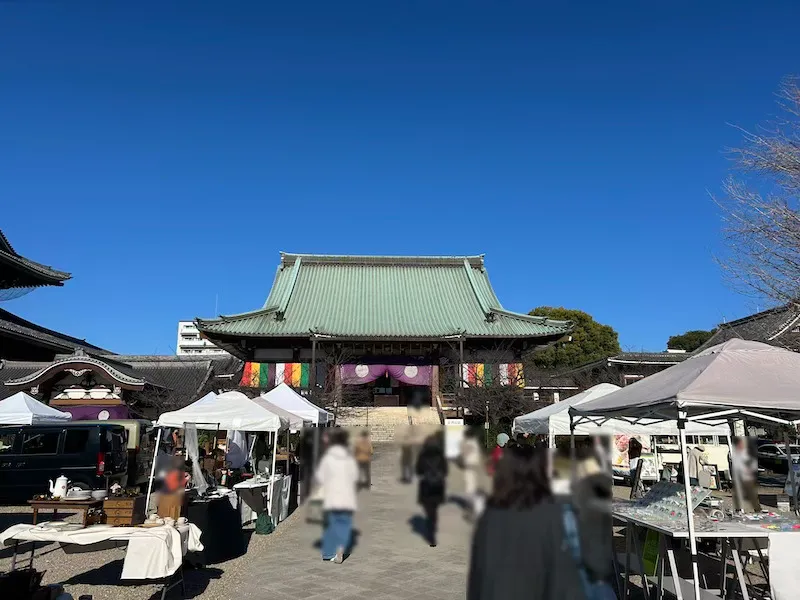
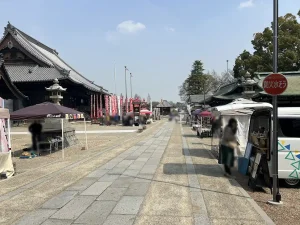
This visit happened to fall on a day ending in “8,” which means the Higashi Betsuin Morning Market was being held. Even though it was a weekday, many people gathered. Vendors sold organic vegetables, clothes, light meals, coffee, and tea. With the pleasant weather, visitors sat and ate freely inside the temple grounds.
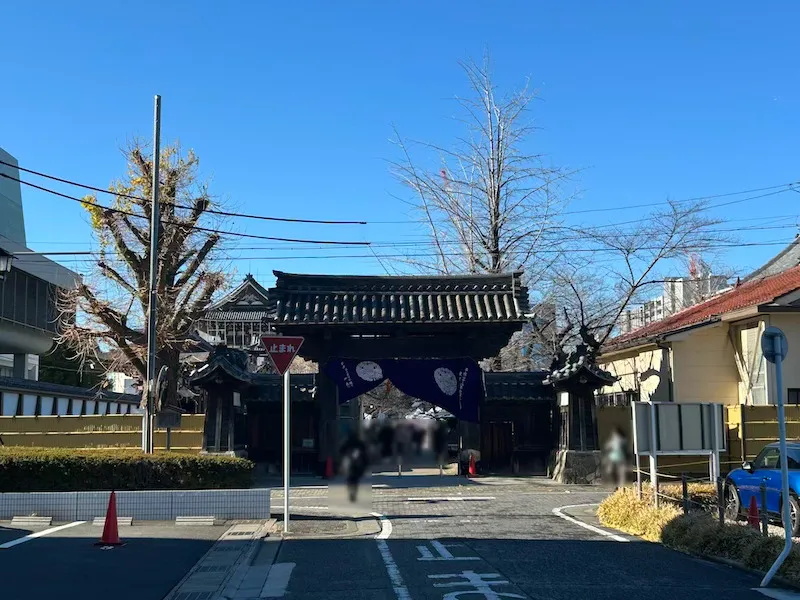
The East Gate of Higashi Betsuin, the only remaining structure that escaped wartime air raids.
Sogaku-ji: A Quiet Autumn Color Spot
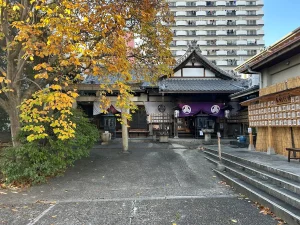
After leaving Higashi Betsuin, I visited Sogaku-ji , a small temple next door.
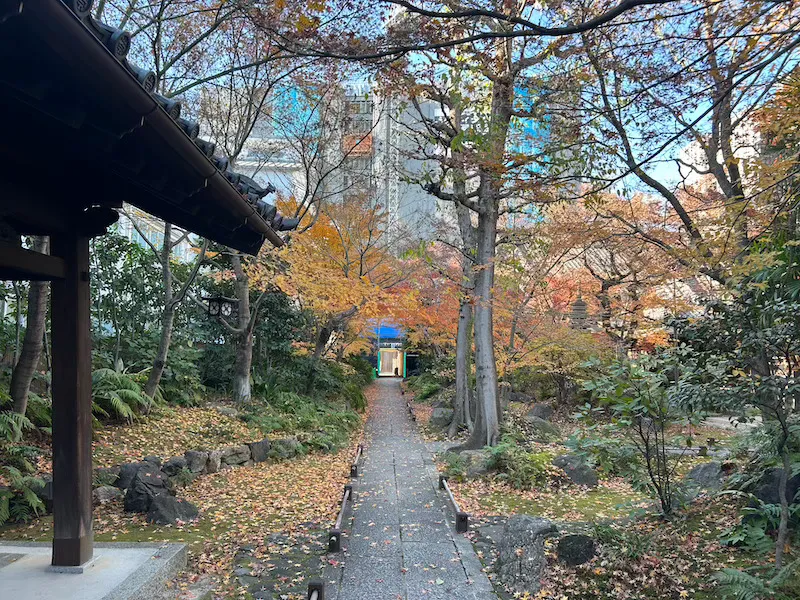
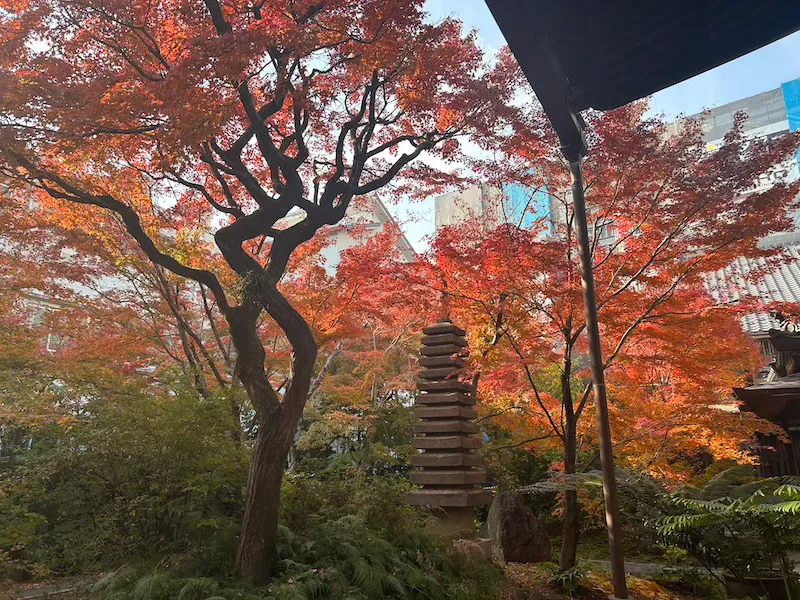
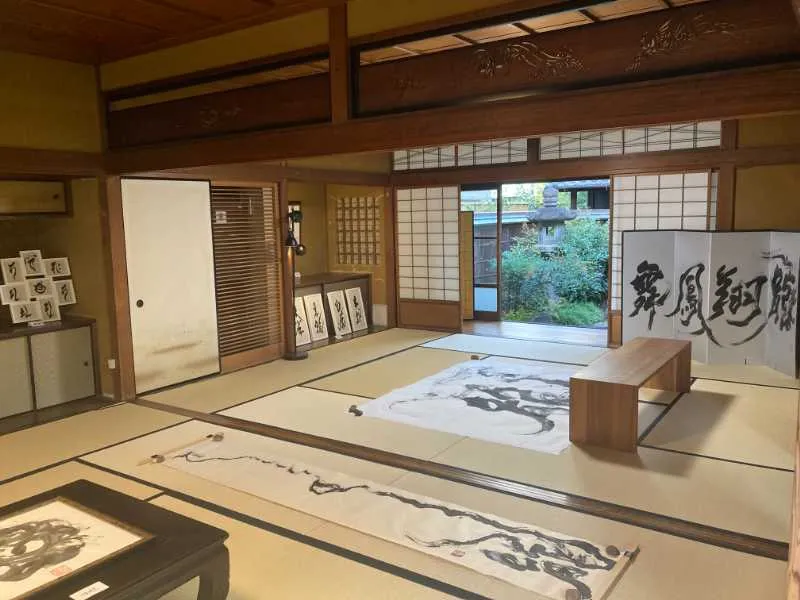
The main hall, built in 1866, survived the war and remains in its original form. The garden is carefully maintained and very beautiful. Since it is not a well-known destination, visitors can enjoy the scenery in silence.
By the time of my visit, the peak season for autumn leaves had already passed. In most years, the best time to see the foliage is in early December. Below is a photo taken during the peak season.
Eikoku-ji: A Forgotten History
Next, I walked to Eikoku-ji, located north of Higashi Betsuin.
There is a small information sign, but most people pass without noticing. It is a quiet place that holds a difficult and largely forgotten history.
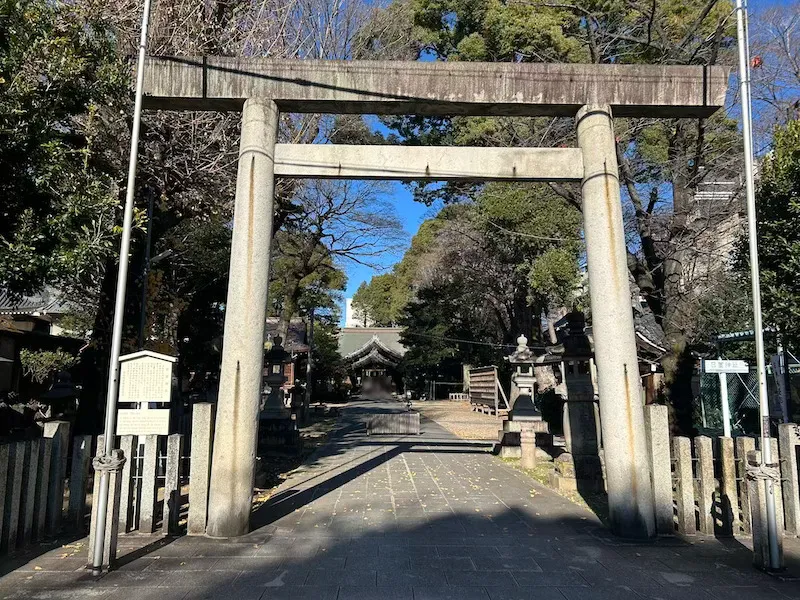
Hioki Shrine: An Ancient Sacred Space
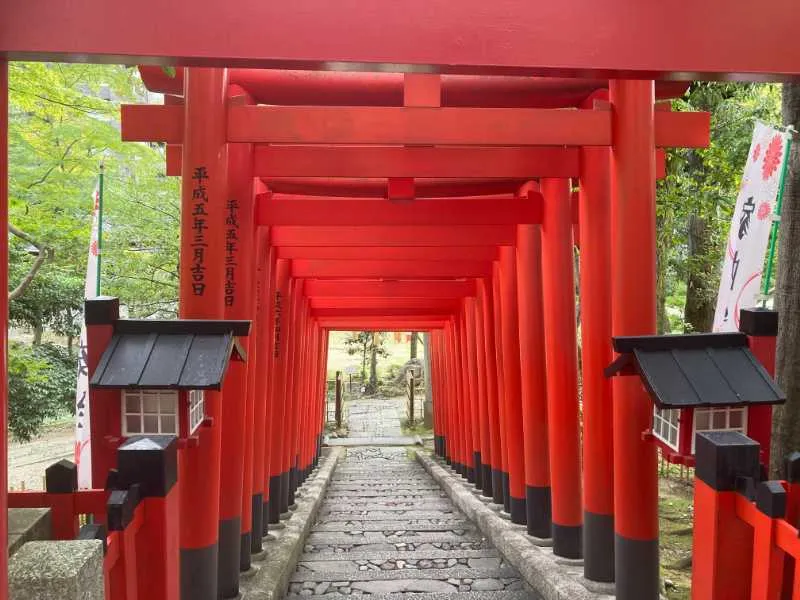
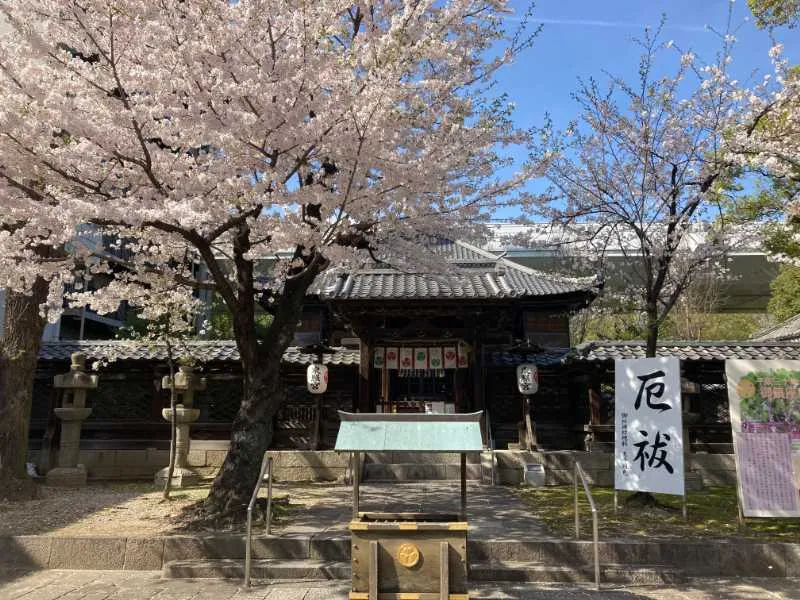
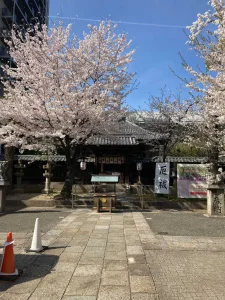
Hioki Shrine has a surprisingly large site. Records suggest it has existed here since the year 927.
The massive trees create an atmosphere that reflects its long history. While the shrine buildings were likely rebuilt after the war, walking through the grounds feels peaceful and refreshing.
Nishi Betsuin: Modern Structures and Surviving Gates
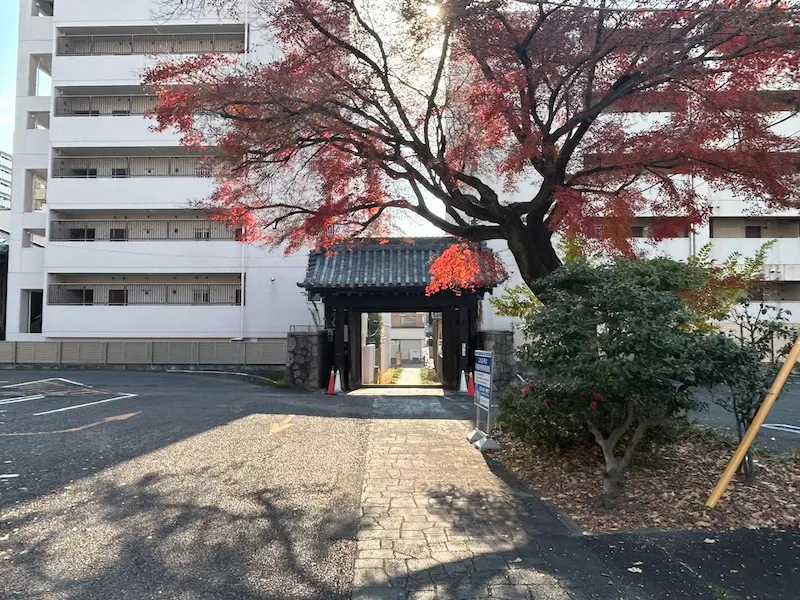
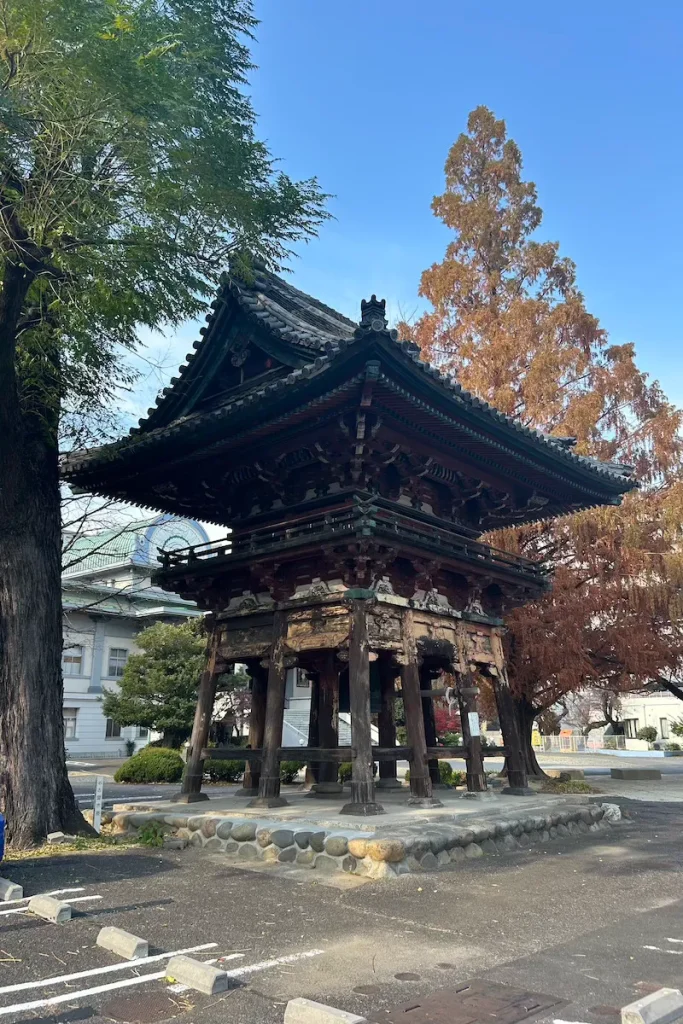
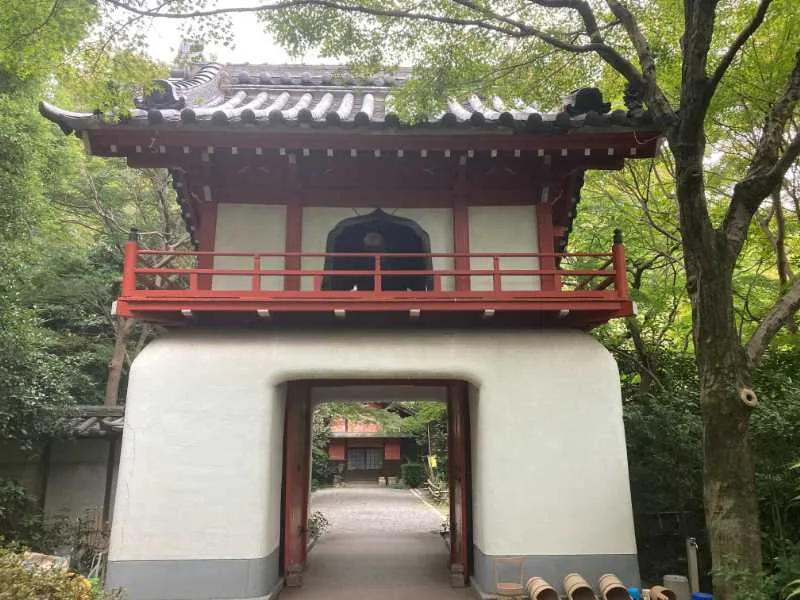
Just a short walk from Hioki Shrine is Nishi Betsuin, which belongs to the Honganji (western) branch of Jodo Shinshu Buddhism. Its head temple is Nishi Honganji in Kyoto.
The grounds are vast, but most of the complex was destroyed during the war. The current main hall is a modern reinforced concrete building. Only the southern gate and the bell tower survived the air raids.
Nanatsudera: A Repaired Buddha
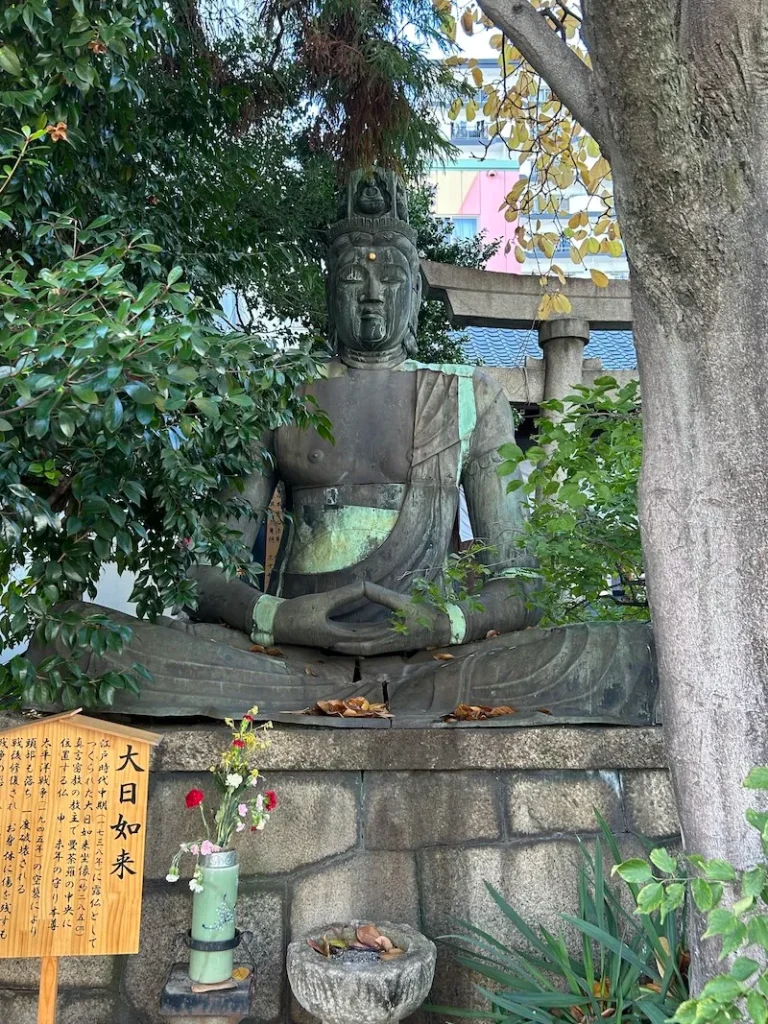
At the edge of the Osu area lies Nanatsudera , a small and quiet temple.
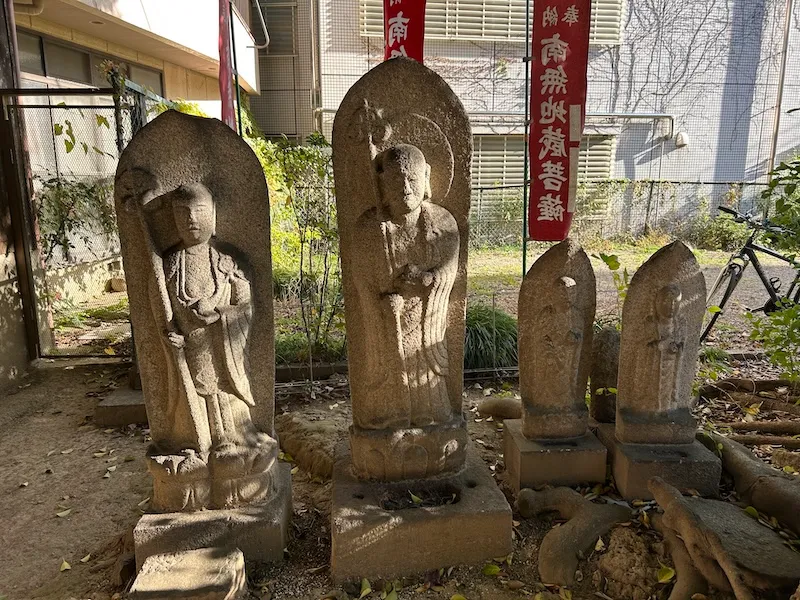
Buddhist statues created in the 1700s were shattered, but the pieces were collected and reassembled. Today, the patched statue is placed quietly among the trees, partially hidden. Its appearance tells a strong story of survival rather than perfection.
Osu Kannon and the Antique Market
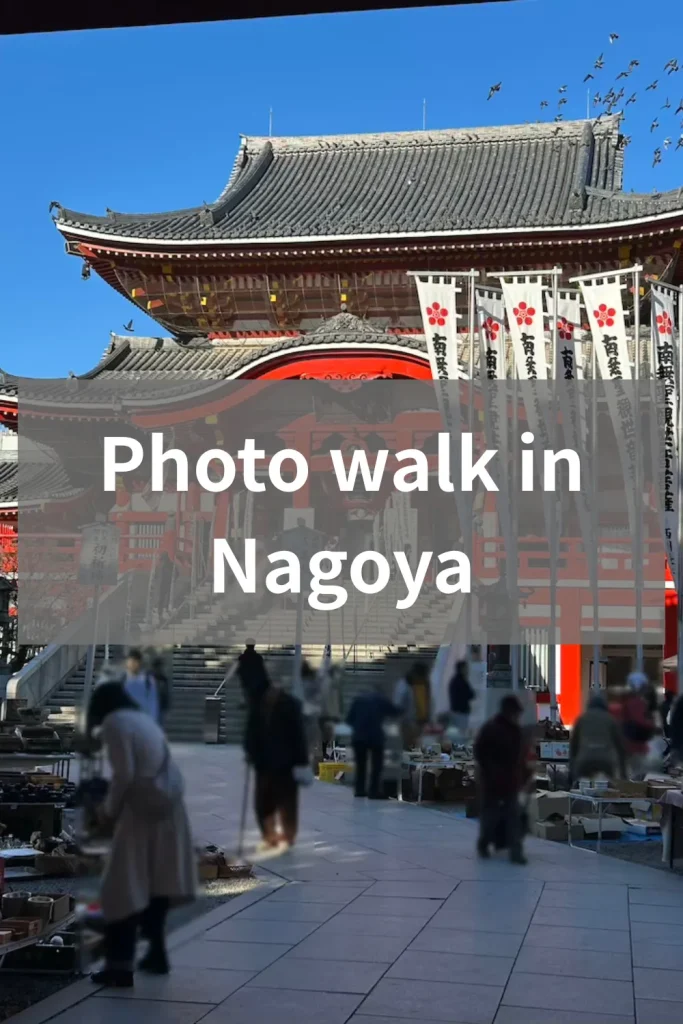
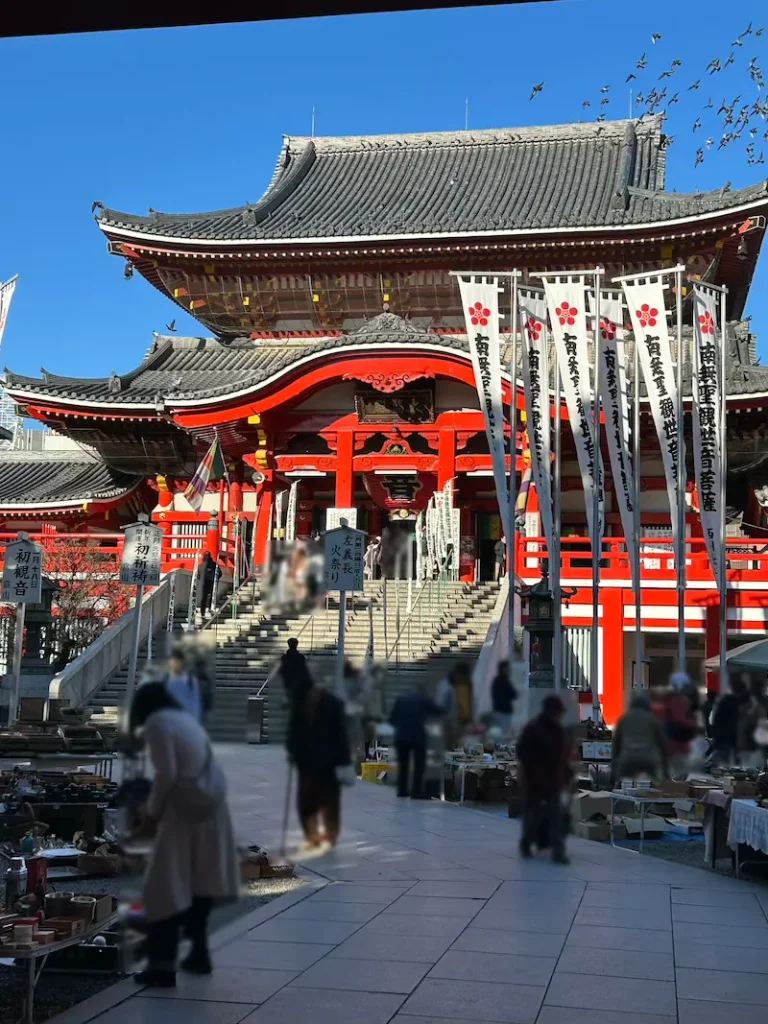
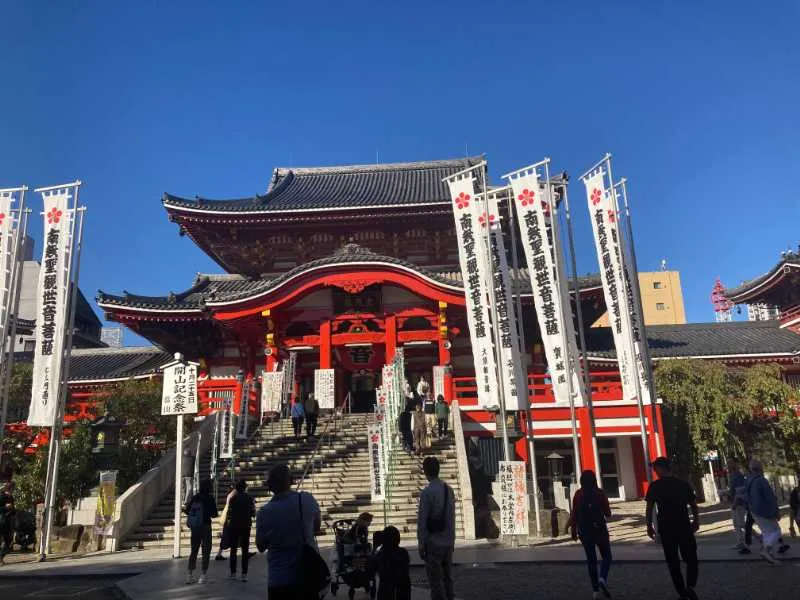
The final stop was Osu Kannon, the symbolic heart of the Osu shopping district.
This day coincided with the monthly antique market held on the 18th and 28th of each month. The atmosphere felt slightly mysterious, with antiques, Buddhist items, old armor, and various curiosities spread across the grounds.
Walking with Respect
This entire route takes about two hours if you walk slowly and enjoy taking photos.
Except for Osu Kannon, none of the places introduced here are major tourist attractions. They continue to exist because they are quietly protected by local residents.
If you decide to walk this route, please do so calmly and respectfully.
When visiting temples or shrines in Japan, please remember that these are sacred places. Any behavior that shows disrespect — such as touching sacred objects, entering restricted areas, or making noise — can be seen as both culturally offensive and legally punishable under Japanese law (Article 188 of the Penal Code).


LEAVE A REPLY