Contents
Hidden Cherry Blossom Spots in Nagoya — Beyond the Usual Season
When people think of cherry blossoms in Japan, they usually imagine late March or early April, crowded parks, and the famous Somei Yoshino trees.
In this article, I’ll introduce a few hidden cherry blossom spots in Nagoya, arranged by blooming season—from mid-winter to early spring—perfect for travelers who prefer calm walks over crowded parks.
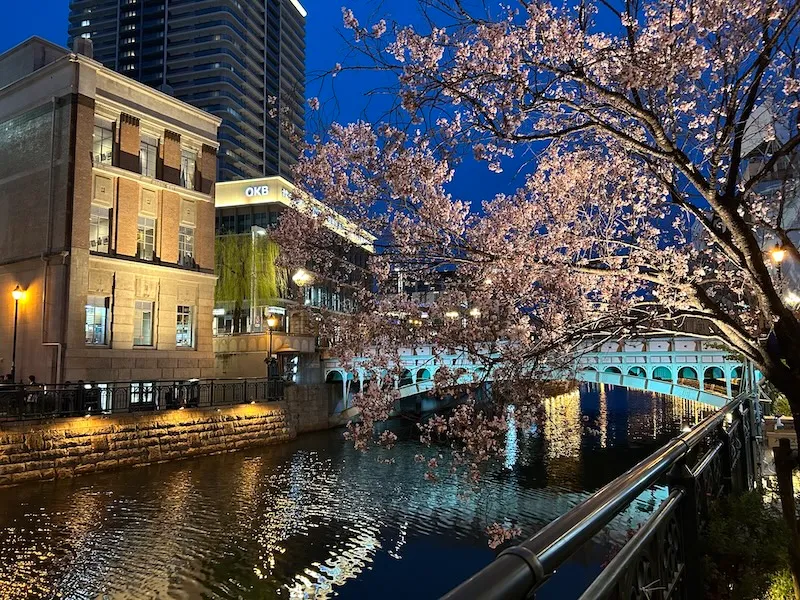
Shikizakura Along the Horikawa River near Nayabashi (January–March)
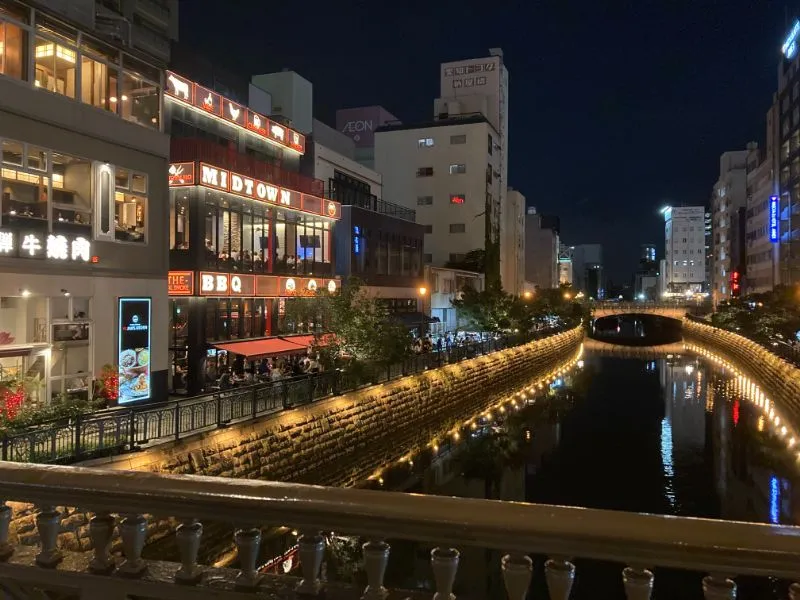
One of the most unexpected cherry blossom experiences in Nagoya can be found along the Horikawa River near Nayabashi.
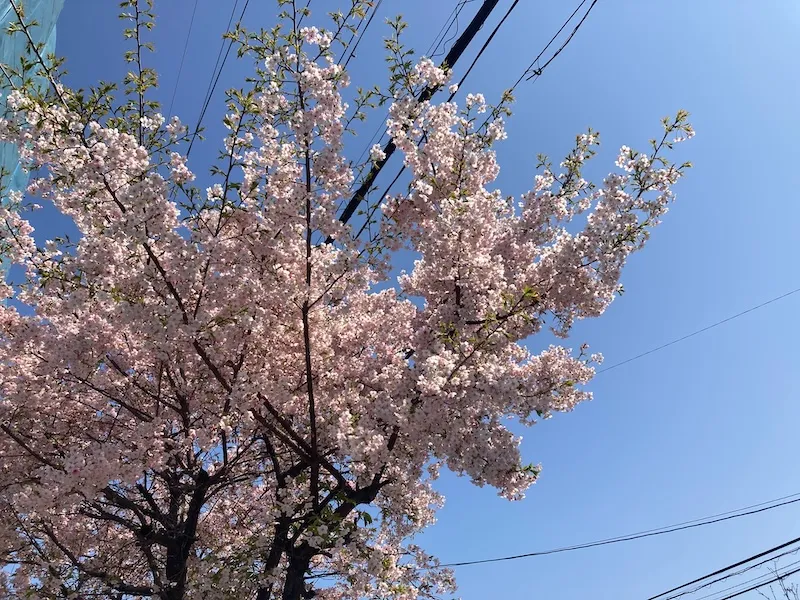
Here, you can see Shikizakura, a rare variety of cherry blossom that blooms twice a year. In Nagoya, these trees usually start blooming in January, right in the middle of winter. Seeing fully bloomed cherry blossoms against a cold, gray winter sky feels almost surreal.
What makes this spot even more special is how long the blossoms last. In 2025, the Shikizakura trees were still in full bloom during the Nayabashi Night Market held at the end of March, suggesting that this variety has an unusually long blooming period.
Because January and February are cold, almost no one comes specifically to see these blossoms. That means you can enjoy cherry blossoms quietly and privately, without crowds—something that is very rare in Japan.
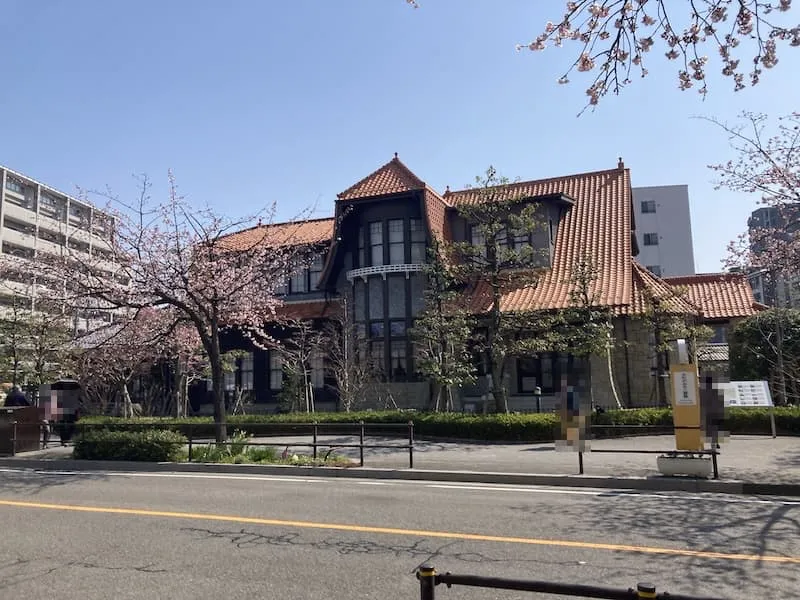
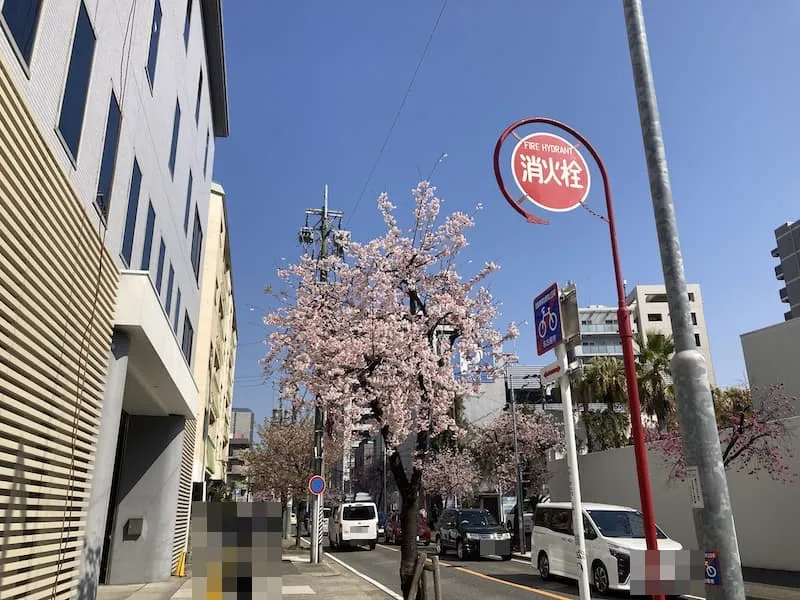
Okanzakura on the Cultural Path (Early March)
If you want to experience cherry blossoms before the peak season, head to the Cultural Path (Bunka no Michi) area in early March.
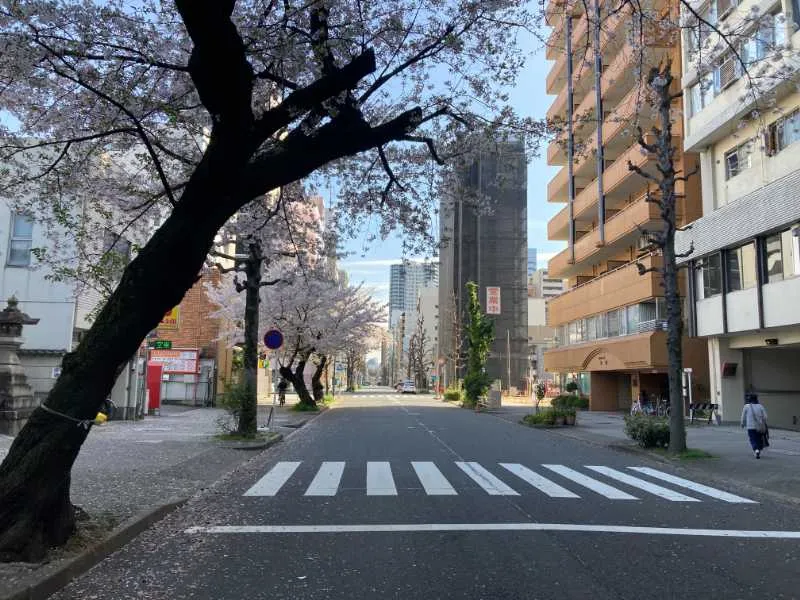
About a 10-minute walk from Exit 2 of Takaoka Station on the Sakura-dori Subway Line, you’ll find approximately 1.4 kilometers of Okanzakura trees lining the streets. Okanzakura is an early-blooming variety, typically flowering from early March, earlier than the standard Somei Yoshino.
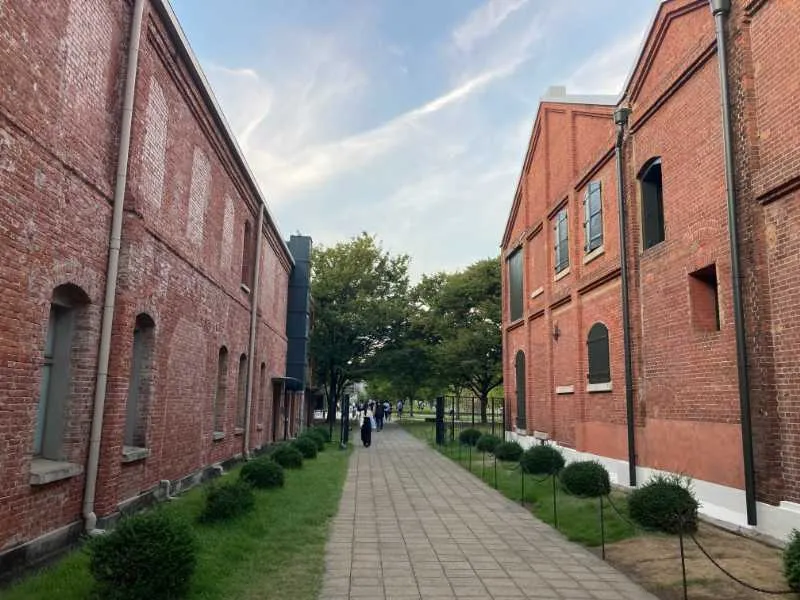
The Cultural Path is a wonderful area for a stroll, known for its well-preserved historic buildings from around 100 years ago. While the cherry blossoms here are well known among locals, the area has never become a major tourist destination.
This makes it ideal for travelers who want to walk slowly, enjoy architecture, and admire cherry blossoms without the noise and congestion of famous parks.
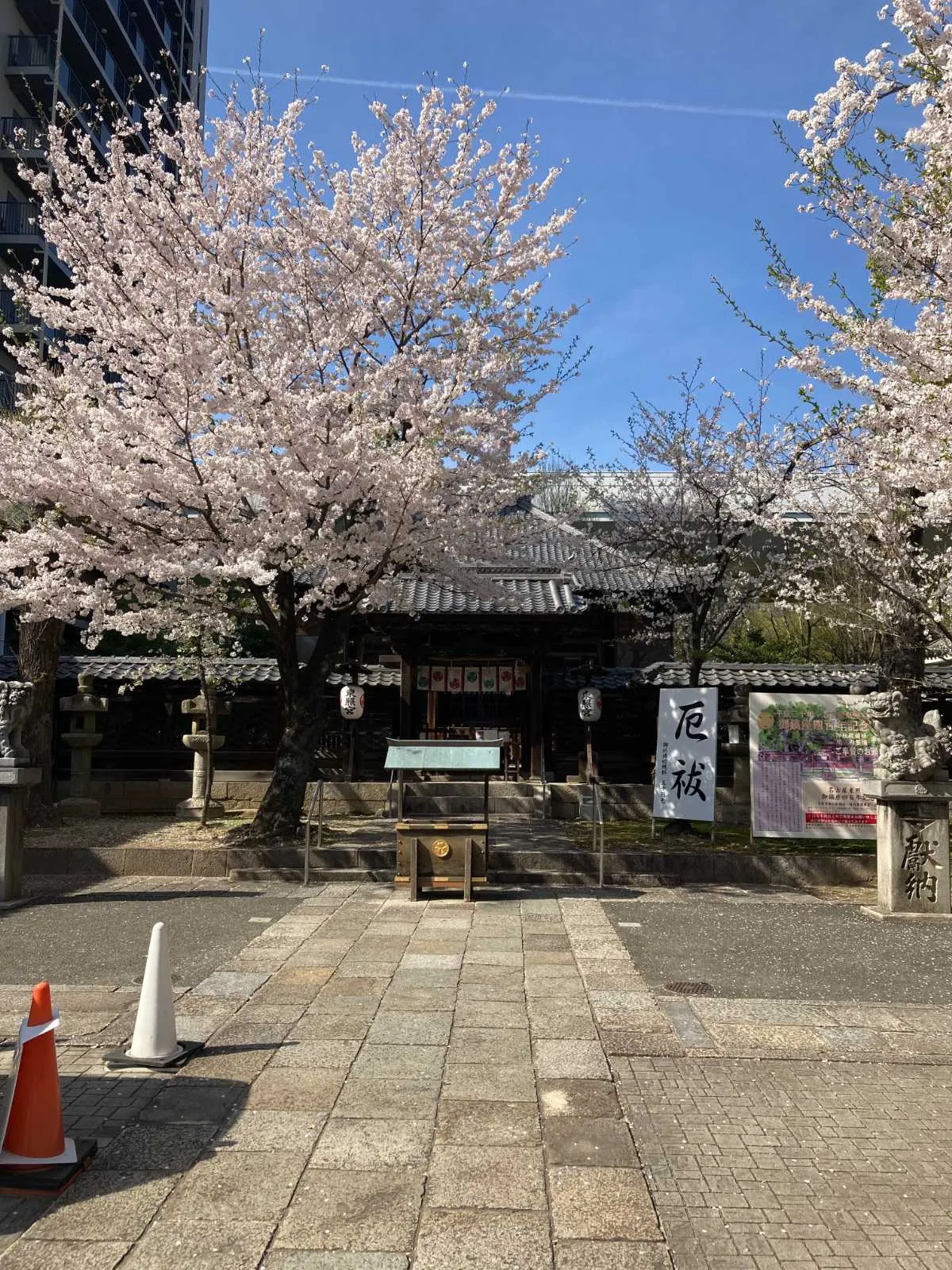
Somei Yoshino at Nagoya Toshogu Shrine and Nagoya Shrine (Late March–Early April)
The most iconic cherry blossom in Japan is Somei Yoshino, which usually blooms in Nagoya from late March to early April.
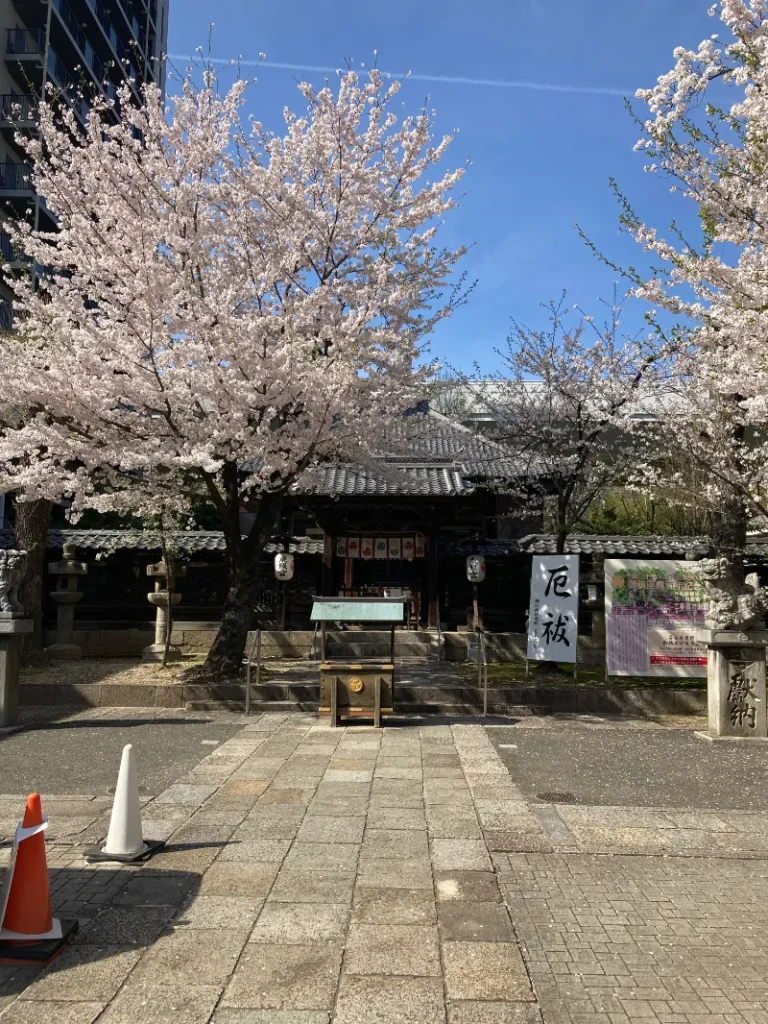
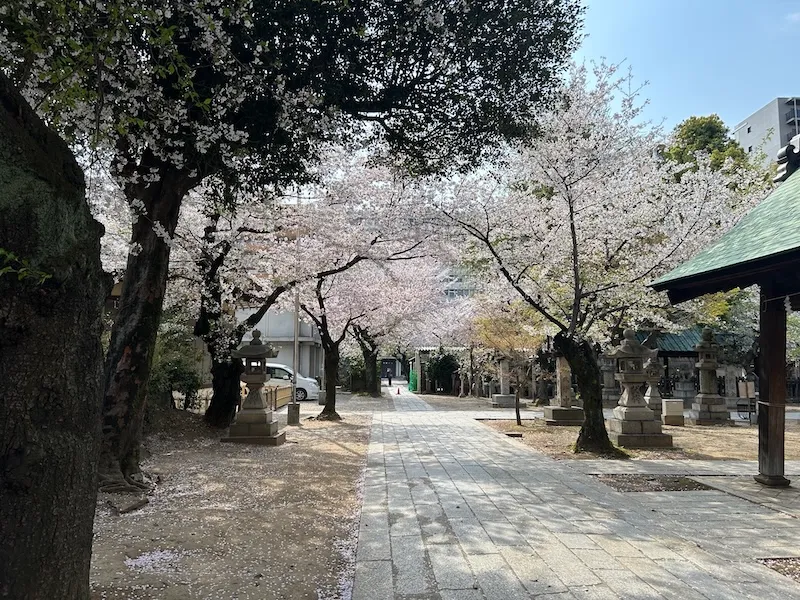
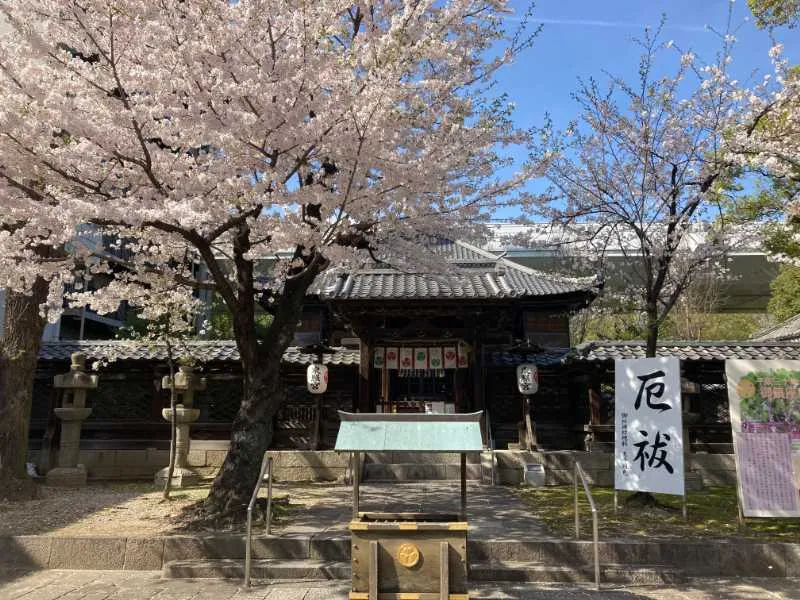
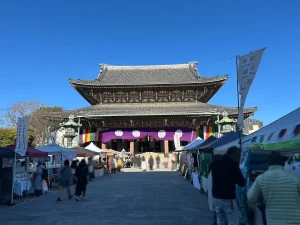
Major parks like Meijo Park and Tsuruma Park are famous for these blossoms, but if you’re staying near Sakae, there are quieter alternatives: Nagoya Toshogu Shrine and Nagoya Shrine.
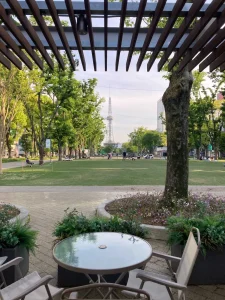
Both shrines are about a 10-minute walk from Hisaya Odori Park. The cherry trees within the shrine grounds are beautiful, but my personal favorite view is just outside—where you can photograph cherry blossoms with the Nagoya City Science Museum visible in the distance.
These shrines are deeply respected by local residents and are considered sacred spaces. If you visit during cherry blossom season, please enjoy the atmosphere calmly and avoid loud or disrespectful behavior. Quiet appreciation is the best way to experience these hidden spots.
Enjoy Cherry Blossoms in Nagoya, One Season at a Time
Cherry blossom season in Nagoya doesn’t start and end in one week. From winter-blooming Shikizakura to early Okanzakura and finally the classic Somei Yoshino, the city offers a long, gentle progression of spring.
If you’re looking for cherry blossoms away from the crowds—and want to experience Nagoya like a local—these hidden spots are well worth adding to your itinerary.
LEAVE A REPLY